This bill establishes an advisory committee to study and report on the economic and market vulnerabilities of the United States to potential military escalation by the People's Republic of China toward Taiwan.
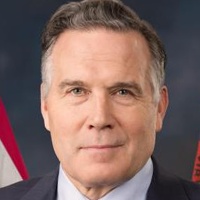
Dave McCormick
Senator
PA
This Act establishes an advisory committee to study and report on the economic and market vulnerabilities facing the United States due to potential military escalation by the People's Republic of China toward Taiwan. Chaired by the Secretary of the Treasury, the committee will include regulators and private sector experts to foster communication and preparation. It is required to conduct comprehensive studies every three years, assessing potential costs and market impacts, and submit recommendations to the Financial Stability Oversight Council.
New Advisory Committee Created to Study Economic Risk of PRC Military Action Against Taiwan
The Fortifying United States Markets Against PRC Military Escalation Act of 2025 isn't about troops or tanks; it’s about dollars and cents. Specifically, this bill establishes a new advisory committee tasked with figuring out what happens to your 401(k), the stock market, and the overall U.S. economy if China decides to escalate military action toward Taiwan.
The Committee: Policy Wonks Meet Wall Street
This new body is called the Advisory Committee on Economic Impacts of Military Escalation by the People's Republic of China toward Taiwan. It’s an amendment to the Financial Stability Act of 2010, meaning it plugs directly into the existing financial security apparatus, advising the Financial Stability Oversight Council (FSOC).
The committee will be chaired by the Secretary of the Treasury and includes designees from major regulators like the Securities and Exchange Commission (SEC), the Commodity Futures Trading Commission (CFTC), and the Federal Reserve. Crucially, the bill mandates that ten additional members be appointed from the private sector—think market makers, big banks, asset managers, and exchanges. The goal is to open up communication lines between policymakers and the people who actually run the capital markets.
What They Have to Study (And Why You Should Care)
This isn't a one-and-done project. Within three years of the bill becoming law, and every three years after that, the committee must deliver a comprehensive study. This study must assess several key areas that directly impact the financial stability you rely on every day (Sec. 2):
- The Total Cost: They have to estimate the total cost to the U.S. economy if military escalation occurs. This includes everything from supply chain disruption to market crashes.
- Market Impact: They must detail the potential losses and volatility for global and U.S. markets, including the capacity of our systems to handle the shock.
- Treasury Holdings: They need to look at what happens if the People's Republic of China reduces its holdings of U.S. Treasury debt—a move that could seriously impact U.S. interest rates and the cost of borrowing for everyone.
Think of it this way: If a conflict in the Taiwan Strait causes a massive, sudden drop in semiconductor manufacturing, the committee is tasked with modeling how that ripple effect hits your local electronics store, your employer’s bottom line, and the value of your retirement savings.
The Transparency Question
The committee is required to brief Congress and hold a public meeting to present its findings and recommendations. However, there’s a catch that’s worth noting: the bill allows the committee to omit any portions of the study and recommendations that “raise national security concerns.” While this makes sense for protecting sensitive intelligence, it also means that the public might not get the full picture of the economic risks, especially since the committee is heavily populated by private financial interests. The intent is preparedness, but the execution leans heavily on the expertise of Wall Street insiders, who will now have a formalized, powerful voice in assessing these geopolitical risks.