This Act establishes an EPA grant program to provide funding for projects and planning aimed at cutting national food waste in half by 2035.
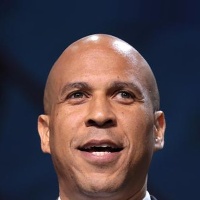
Cory Booker
Senator
NJ
The Zero Food Waste Act establishes a grant program at the EPA to help cut national food waste in half by 2035 compared to 2015 levels. These competitive grants will fund eligible entities for studying, planning, collecting data on, or implementing activities that reduce food waste sent to landfills. The legislation authorizes significant funding over ten years to support these reduction efforts across the country.
Zero Food Waste Act Authorizes $650M Annually to Cut Food Waste in Half by 2035
The Zero Food Waste Act establishes a major new competitive grant program run by the Environmental Protection Agency (EPA). The goal is straightforward but ambitious: cut the nation’s food waste in half by 2035, measured against 2015 levels. This bill authorizes a serious amount of cash to get the job done—$650 million annually from 2026 through 2035, totaling $6.5 billion over the decade. This money is designed to flow to state, local, Tribal governments, and non-profits (501(c)(3)s) to fund activities that keep food out of landfills and incinerators.
The Three Flavors of Funding
This isn't just one big pot of money; the EPA Administrator can award three distinct types of grants. First, there are Study and Planning Grants for governments to figure out where their food waste is coming from and develop a plan to tackle it, with a priority on prevention. Second, Data and Reporting Grants are available for governments to collect hard data on food waste quantities and publish it publicly. If you can’t measure it, you can’t manage it, right? Finally, Project Grants are the big ones. These are open to all eligible entities—including nonprofits—and fund actual food waste reduction activities, such as food rescue, upcycling, or building recycling infrastructure.
Where the Rubber Meets the Road: Real-World Impacts
For local governments, this bill offers a significant opportunity to upgrade their waste management systems without solely relying on local taxes. For example, a city could use a Project Grant to implement differential pricing (Sec. 2) to make it more expensive for restaurants to throw food scraps in the regular trash, incentivizing them to use composting or donation programs instead. Non-profits running food banks could secure funding to expand their operations, rescuing more surplus food from grocery stores and redirecting it to families who need it.
Critically, the EPA is directed to prioritize grants for communities that need the help the most. The bill explicitly calls for prioritizing funding for projects in communities of color, low-income communities, or Tribal communities that are disproportionately affected by health or environmental issues (Sec. 2). This is a clear environmental justice provision, recognizing that landfills and incinerators often impact marginalized communities the hardest.
The Anaerobic Digestion Fine Print
The bill includes some very specific rules for grants funding anaerobic digestion (AD) projects—that’s the process where organic material is broken down without oxygen to create energy and fertilizer. If an entity gets a grant for an AD project, they must limit animal waste to no more than 20% of the total feed, with the rest being source separated organics (food scraps separated at the source). They also need a plan to ensure the resulting material (digestate) is used as a soil amendment without creating environmental hazards. This provision aims to ensure that these projects are truly focused on food waste recycling and not just subsidized manure management.
The Takeaway for Taxpayers and Town Halls
While the goal of cutting food waste is widely supported, the bill authorizes a substantial commitment of $6.5 billion over ten years, which is a significant investment funded by the taxpayer. Furthermore, the EPA Administrator is given broad discretion to fund “any other activity” they determine will reduce food waste (Sec. 2). While this flexibility might encourage innovation, it means the EPA has a lot of subjective power over where these hundreds of millions of dollars go each year. Finally, entities currently invested in landfilling or incinerating organic waste might see this grant program as a challenge, as the bill explicitly funds policies that disincentivize those disposal methods. For everyone else, this bill means that within the next decade, your city or town is likely to have more resources to roll out composting, food donation, or other programs designed to make your trash can a little less full.