This bill establishes a working group to standardize the measurement and definition of loneliness and social isolation across federal agencies and research.
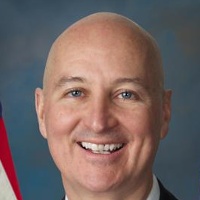
Pete Ricketts
Senator
NE
This act establishes a national Working Group within the Department of Health and Human Services to standardize the measurement and definition of loneliness and social isolation. The group will foster collaboration across federal agencies and public/private sectors to create unified metrics. The final recommendations will be compiled in a public report submitted one year after enactment.
HHS Forms New Working Group to Standardize How Loneliness and Isolation Are Measured by 2027
The Improving Measurements for Loneliness and Isolation Act of 2025 is a piece of legislation focused purely on data and definitions—which, trust me, is a lot more important than it sounds. This bill establishes a temporary national Working Group on Unifying Loneliness Research within the Department of Health and Human Services (HHS).
The Problem with Fuzzy Data
When we talk about public health issues like loneliness, everyone uses slightly different yardsticks. This bill aims to fix that. The Working Group’s main job is to create standardized definitions and measurements for loneliness and isolation that federal agencies, researchers, and healthcare providers can all use. The bill makes a crucial distinction right out of the gate: isolation is defined as the objective lack of social relationships, while loneliness is the subjective feeling of being isolated. Think of it this way: isolation is the empty calendar; loneliness is the feeling you get looking at it. By standardizing these terms, the goal is to stop comparing apples to oranges in public health studies.
The Working Group is required to foster collaboration among federal agencies—like the CDC and NIH—to get everyone on the same page. They also have to look at how existing measurement methods line up with each other. This is about creating a unified language so that when the government or a hospital says, “We have a loneliness problem,” they’re all talking about the exact same thing, making it easier to compare statistics and track real trends over time.
Who’s at the Table?
This isn't just a bunch of federal bureaucrats meeting in a windowless room. The Working Group will include senior representatives from various HHS agencies, external experts chosen by the Secretary of HHS, and, interestingly, representatives from six different states. Specifically, they’ve mandated a representative from each of the three states with the highest need for mental health practitioners and one from each of the three states with the lowest need. This setup ensures that the recommendations are informed by the realities on the ground, whether that’s in a state struggling with severe provider shortages or one that has managed to meet the demand.
The Real-World Impact: Better Targeting
Why should busy people care about a working group on definitions? Because better data leads to better policy. If the government can accurately measure who is lonely and isolated, they can stop wasting time and money on interventions that miss the mark. For example, if standardized data shows that objective isolation (lack of contact) is highest among certain shifts of essential workers, future funding can be targeted at creating accessible community programs for those specific schedules, rather than just running generic public service announcements.
The Working Group must meet at least three times and submit a full report with its recommendations to Congress within one year of the bill’s enactment. Crucially, that report must be made publicly available online. This entire effort has a built-in expiration date: the section establishing the working group ends at the close of 2027. It’s a focused, time-limited effort to establish the foundational data needed to tackle loneliness and isolation as serious public health concerns.