This Act permanently establishes federal responsibility for the operation, maintenance, and funding of the Lower Yellowstone Fish Bypass Channel to ensure native fish passage, particularly for the pallid sturgeon.
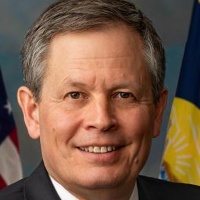
Steve Daines
Senator
MT
This Act formally establishes permanent federal responsibility for the operation, maintenance, and funding of the Lower Yellowstone Fish Bypass Channel. It explicitly prohibits transferring any financial or operational duties for the channel, which aids native fish like the pallid sturgeon, to the local Lower Yellowstone Irrigation District. The legislation also authorizes dedicated federal funding for the channel's upkeep and ensures local irrigation operations remain unaffected.
New Bill Secures $1M Annual Federal Funding to Protect Endangered Fish, Shields Local Farmers from Cost Shifts
If you’ve ever wondered who pays for big environmental projects, especially when they involve decades-old infrastructure and endangered species, this bill cuts through the bureaucracy to give a clear answer. The Lower Yellowstone River Native Fish Conservation Act is essentially a piece of legislation designed to draw a hard, bright line around federal responsibility for a specific piece of infrastructure: the Lower Yellowstone Fish Bypass Channel.
The Backstory: Fish, Farmers, and the Feds
This isn't just about fish; it's about making sure local farmers don't get stuck with a massive bill for a federal project. Back in the day, the government built the Intake Diversion Dam to help the Lower Yellowstone Irrigation District (LYID) get water for agriculture. Later, to mitigate the dam’s impact on endangered species like the pallid sturgeon, the federal government—specifically the Corps of Engineers and the Bureau of Reclamation—built the 2.1-mile Fish Bypass Channel. This channel lets the fish swim around the dam.
Here’s the core problem this bill solves: The channel was built by the feds for an endangered species, but without clear law, there was always the risk that future administrative actions could try to shift the operations and maintenance costs onto the local irrigation district (Sec. 2). The LYID is a local, state-chartered entity responsible for delivering water, not operating massive federal environmental mitigation projects. This bill steps in to say, “Nope, that’s not happening.”
Who’s on the Hook for Maintenance?
The bill is crystal clear: the Secretary of the Interior retains full and permanent ownership, operational authority, and financial responsibility for the Fish Bypass Channel (Sec. 4). This means that every repair, modification, and adaptive management strategy needed to keep that channel working for the pallid sturgeon is a federal job, funded by federal dollars. It specifically prohibits any federal agency from requiring the LYID or the Lower Yellowstone Irrigation Project to take on any financial or operational responsibility for the channel—ever (Sec. 4).
For the farmer in eastern Montana or western North Dakota who relies on the LYID for irrigation water, this is huge. It means their water rates won't suddenly spike to cover the costs of maintaining a complex federal fish ladder. The bill essentially guarantees that the costs associated with Endangered Species Act compliance at this specific location remain where they belong: with the federal government (Sec. 5).
Securing the Budget
Clarity is nice, but money is better. The bill doesn't just assign responsibility; it authorizes the funding to back it up. Starting in fiscal year 2026, the bill authorizes Congress to appropriate $1,000,000 annually to the Secretary of the Interior for the continuous operation, maintenance, and necessary upgrades of the Fish Bypass Channel (Sec. 8). This dedicated funding stream, authorized to come from the Reclamation Water Settlements Fund, ensures the channel can operate continuously without interruption, which is crucial for the endangered sturgeon.
This commitment means the infrastructure built for conservation won't fall apart due to budget squabbles. It provides financial certainty for the environmental project while protecting the local agricultural economy from unfunded mandates. The only potential snag is that while $1 million is authorized, major, unexpected repairs (like a catastrophic flood event) might quickly eat up that annual budget, relying on future appropriations to cover the gap. However, for regular operations, it’s a solid start.
Finally, the bill gives the LYID and any affected stakeholder a legal recourse: they can petition the Federal District Court if the Secretary tries to illegally transfer operational or financial responsibility to them (Sec. 7). This is a strong tool for local entities to hold the federal government accountable to the law.