This bill establishes a competitive grant program to fund high-quality tutoring partnerships between schools and educator preparation programs, prioritizing placements in high-need schools.
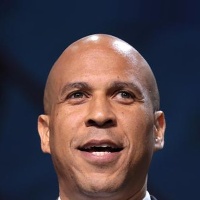
Cory Booker
Senator
NJ
The PATHS to Tutor Act of 2025 establishes a $500 million competitive grant program to fund high-quality tutoring partnerships between schools and educator preparation programs. These partnerships will place trained tutors in small groups within high-need or hard-to-staff schools. The goal is to accelerate student learning while providing aspiring teachers with valuable, compensated experience. The bill also coordinates these tutoring positions with national service programs to offer educational awards to tutors upon completion of service.
Proposed $500M Grant Program Links Aspiring Teachers to High-Need School Tutoring Gigs, Offering National Service Awards
The “Partnering Aspiring Teachers with High-need Schools to Tutor Act of 2025,” or the PATHS to Tutor Act, establishes a new competitive grant program, authorized for $500 million, designed to fund high-quality tutoring partnerships. Essentially, the federal government is putting up half a billion dollars to connect aspiring educators—mostly college students—with K-12 schools that need the most help. The core idea is to create "local consortia" that pair up schools (especially those struggling with high teacher turnover) with educator preparation programs (like university education departments) to deliver intensive, small-group tutoring.
The Fine Print on 'High-Quality' Tutoring
If you’re a parent, the definition of “high-quality tutoring” in this bill is the part that matters most. This isn't just homework help. The bill requires tutoring to be one-on-one or in small groups (no more than one tutor for every four students, unless the state says otherwise) and provided multiple times a week for a full class period. Critically, the tutoring must be tightly connected to the school day and aligned with the local curriculum. The bill is aiming for depth, not just quick fixes, by requiring tutors to be content- and grade-specific, and they must receive high-quality training and ongoing support. For the consortia applying for these grants, the bill requires them to ensure the tutoring doesn't lead to "tracking" or "negative labeling" of students—a necessary guardrail to ensure these programs are seen as support, not punishment.
Building the Teacher Pipeline with Financial Incentives
This bill addresses two problems at once: student learning loss and the teacher shortage. For college students in an education program, this is a massive opportunity. The Secretary of Education must prioritize grants for consortia that use tutors who are postsecondary students, especially those enrolled at Historically Black Colleges and Universities (HBCUs) or other minority-serving institutions. The bill requires tutors to be "adequately compensated"—a key detail, though the bill doesn't set a specific dollar amount, leaving that definition open to interpretation by the grant winners. Even more significant, the bill coordinates with the Corporation for National and Community Service (CNCS) to allow tutors to earn national service educational awards (think AmeriCorps benefits) upon completing their service term. This means aspiring teachers could get paid for their work and earn money toward paying off their own student loans, making the path into teaching much more financially viable.
Who Pays and How the Money Flows
Out of the $500 million authorized, the bill mandates that at least 85% must go directly toward supporting students and the tutors serving them. This includes tutor and mentor stipends, instructional materials, connectivity, and even student transportation, meals, and snacks. Only 15% can be used for administrative costs. This 85/15 split is designed to ensure the vast majority of the funds reach the classroom level. However, a major requirement for every grant application is the assurance that these federal funds will supplement, not replace, existing state and local funding. This is a common but tricky rule to enforce, intended to prevent schools from cutting their existing budgets just because federal money is coming in. If you live in a community where local school budgets are tight, this grant could provide a major infusion of instructional support without forcing local taxes to rise, provided the school successfully partners with a university and wins the competitive grant.