This bill reestablishes the National Coal Council as a federal advisory committee to advise the Secretary of Energy on coal-related matters.
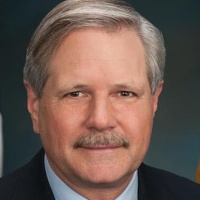
John Hoeven
Senator
ND
This bill reestablishes the National Coal Council as a federal advisory committee under the Department of Energy. The Council will provide recommendations to the Secretary of Energy on matters related to coal. Its operations will adhere to the requirements of the Federal Advisory Committee Act.
New Act Formalizes National Coal Council: Advisory Group Reestablished to Guide Energy Policy
The newly proposed National Coal Council Act of 2025 isn't about changing energy prices tomorrow, but it is about locking in who gets a seat at the table when future energy policy is being decided. Essentially, this bill (in SEC. 2) directs the Secretary of Energy to reestablish the National Coal Council. This Council is a federal advisory committee, meaning its job is to give formal recommendations to the Secretary specifically on coal-related matters.
Why Does an Advisory Council Matter?
Think of this Council as a formal, dedicated line of communication between the coal industry and the Department of Energy. For the regular person, this matters because the advice the Secretary receives influences decisions on everything from energy infrastructure investments to environmental regulations—which eventually trickle down to your utility bill or the jobs market. By formally reestablishing this Council, the bill ensures that coal interests have a structured, ongoing platform to shape federal energy strategy.
The Fine Print: What Keeps It Accountable?
One important detail is that the bill explicitly states the Council’s operations must adhere to the Federal Advisory Committee Act (FACA) (Chapter 10 of title 5, United States Code). FACA is the rulebook for these types of groups. It requires things like public notice for meetings, access to records, and balanced representation, at least in theory. For people who want transparency, this is a good thing; it means the Council can’t just meet in secret. However, the bill is solely focused on coal, which means the advice given to the Secretary will be heavily weighted toward a single energy source, potentially overlooking the broader context of renewable energy or natural gas in the national grid.
Real-World Impact: What’s the Takeaway?
This legislation is administrative, not revolutionary. It doesn't build a new power plant or mandate a specific technology. Instead, it codifies an established mechanism for industry input. If you work in the energy sector, this Council represents a formalized channel for your industry's concerns to reach the top. If you’re just trying to keep your lights on, this bill ensures that the future of coal—and its role in the U.S. energy mix—will continue to be advised by a dedicated, government-sanctioned group. It’s a procedural move that solidifies the coal industry’s voice in the policy conversation for years to come.