This Act prohibits federal agencies and contractors from using solar panels manufactured or assembled by entities connected to the People's Republic of China, with a narrow waiver process available.
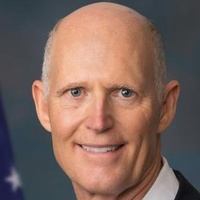
Rick Scott
Senator
FL
The Keep China Out of Solar Energy Act of 2025 prohibits federal agencies and contractors from purchasing or installing solar panels manufactured or assembled by entities connected to the People's Republic of China. This ban applies to all federal projects and property unless a specific national security waiver is jointly approved by the Secretaries of State and Homeland Security. The Act also mandates reporting on current federal purchases and requires a study on domestic solar production capabilities.
Federal Projects Must Ditch Chinese Solar Panels: New Ban Hits Government Contractors
The “Keep China Out of Solar Energy Act of 2025” aims to block US federal agencies and their contractors from using solar panels manufactured or assembled by entities connected to the People’s Republic of China (PRC). This isn’t a suggestion; it’s a hard stop. Within 180 days of the law passing, federal agencies must establish new standards that prohibit using federal funds—whether through contracts, grants, or even government purchase cards—to buy these specific solar panels (SEC. 2).
The Ban: What Changes for Government Work
If you work in construction, maintenance, or repair on any federal building or property, this bill is going to change your sourcing strategy. The bill explicitly bans any executive agency from purchasing or installing solar panels from a “covered entity” in the PRC for federal projects (SEC. 1). Furthermore, any contractor, subcontractor, or supplier working on these projects must certify that the solar panels they use aren't from those covered Chinese entities. For contractors, this means adding a new layer of intense supply chain tracing and compliance, which translates into more paperwork and potentially higher material costs if they have to pivot away from cheaper, readily available components.
The “Only Option” Waiver
There is a loophole, but it’s a tight one. An executive agency can request a waiver from the ban if they can prove the Chinese entity is the only viable source for the solar panels they need (SEC. 3). This isn't a simple form submission; the head of the agency must certify this claim to both the Secretary of State and the Secretary of Homeland Security. Only if both Secretaries jointly approve the request is the waiver granted. This high bar suggests that while the government acknowledges there might be gaps in non-Chinese supply, they are making it extremely difficult to use the waiver—which is good for the domestic industry but could lead to project delays or increased costs for taxpayers if alternative sources are more expensive or harder to find.
Who Is a “Covered Entity”? (The Vague Part)
This is where the bill grants significant power. A “covered entity” isn't just an organization based in the PRC; it also includes any organization that the Secretary of Homeland Security determines is subject to “influence or control” by the PRC government or the Chinese Communist Party (SEC. 6). This definition is broad and could be applied to companies based outside of China that have any significant operational ties there. For procurement officers and contractors, this creates a moving target and introduces uncertainty, as a company deemed compliant today could potentially be labeled a “covered entity” tomorrow based on the Secretary’s determination of influence.
Looking Ahead: Domestic Production and Costs
Beyond the immediate ban, the bill sets up two key reports to figure out the long-term impact. First, the Comptroller General must report on how many Chinese solar panels federal agencies have bought in the past (SEC. 4). Second, the Office of Management and Budget (OMB) must commission a study on the current and future ability of the domestic solar panel market to meet demand and keep up with technology (SEC. 5). The goal here is clearly to push the US solar supply chain to step up. If the domestic market can’t immediately fill the gap left by the ban, federal projects could face higher prices and slower timelines, ultimately impacting the cost of government infrastructure and potentially slowing down federal renewable energy goals until the domestic industry scales up.