The WATER Act of 2025 establishes a program allowing states to assume federal permitting responsibilities for certain transportation projects under Section 404 of the Clean Water Act.
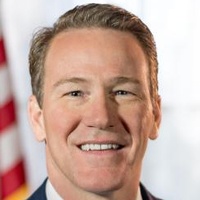
Jon Husted
Senator
OH
The WATER Act of 2025 establishes a program allowing states to voluntarily assume federal permitting responsibilities for certain transportation projects under Section 404 of the Clean Water Act. This assignment requires a written agreement with the EPA and the Army Corps of Engineers, mandating that states adhere to existing federal environmental review standards. The law outlines application, oversight, and termination procedures for state participation in this permitting process.
WATER Act Offers States Power to Fast-Track Highway Permits, Bypassing Federal Environmental Review
The WATER Act of 2025 sets up a new program called the Waterway Permit Section 404 Assignment program. This program is essentially an opt-in for states, allowing them to take over federal permitting responsibilities for certain major infrastructure projects—specifically highways, railroads, and public transportation projects. The big shift here is that the state, after signing an agreement with the Army Corps of Engineers (Secretary of the Army) and the EPA Administrator, can assume the federal duties for issuing permits related to discharging dredged or fill material (Section 404 of the Clean Water Act) and construction in navigable waters (Section 10 of the Rivers and Harbors Act of 1899).
The Highway Fast Lane: What Changes for Builders
Think about a state transportation department trying to build a new highway over a wetland or near a river. Right now, they have to navigate the federal permitting process, which includes environmental reviews under big laws like the National Environmental Policy Act (NEPA) and the Endangered Species Act (ESA). Under the new program, the state can assume the responsibility for these reviews, effectively consolidating the entire process under one state roof. The bill specifies that the state must follow the same substantive and procedural requirements the federal agencies would have, but the day-to-day oversight and decision-making authority moves from Washington to the state capital. This is designed to streamline the process, cutting down the time it takes to get shovels in the ground for covered projects.
Who’s Holding the Bag? State Liability vs. Federal Oversight
Here’s where the fine print matters. If a state assumes this authority, it becomes "solely responsible and liable" for carrying out those duties. This means if the state messes up a permit or fails an environmental review, it’s on them, and they can be sued in federal court. However, the federal oversight is structured to be relatively light. The agreement lasts for five years (or ten years if the state has a long track record with similar programs), and the Secretary of the Army is limited to conducting only two audits during the state’s first four years in the program. This structured, limited oversight raises questions about how closely the federal government will actually be watching to ensure the state maintains the rigorous standards required by NEPA and the ESA, especially for projects that might affect sensitive habitats or communities.
The Real-World Trade-Off: Speed vs. Scrutiny
For a busy commuter, this bill could mean that the long-promised highway expansion finally happens faster, potentially reducing traffic headaches. For infrastructure construction companies, it means less waiting and more predictable timelines. But for environmental advocates and local communities concerned about protecting nearby rivers or wildlife, the shift is a major concern. When federal agencies conduct these reviews, there’s a built-in layer of scrutiny and expertise. Transferring that power to state agencies—which might be under pressure to expedite large transportation projects—could lead to less thorough environmental analysis. While the bill requires states to prove they have the "necessary financial resources," understaffed state agencies might struggle to handle the complex, resource-intensive reviews required under federal law.
One interesting provision allows states to use federal highway funds (specifically funds apportioned under 23 U.S.C. 104(b)(2)) to cover attorneys’ fees directly related to eligible activities, including fees awarded under federal law. This means if a state is sued for failing to properly carry out its new responsibilities, it can use federal transportation dollars to defend itself. While this supports the state’s new liability, it also means transportation funds are being diverted away from actual construction or maintenance to cover legal costs associated with regulatory oversight.