This Act establishes the authority to impose U.S. sanctions on foreign individuals and entities whose actions significantly worsen climate change, deforestation, or harm environmental defenders.
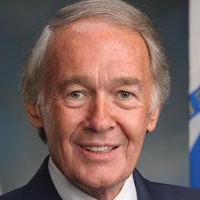
Edward "Ed" Markey
Senator
MA
The Targeting Environmental and Climate Recklessness Act of 2025 establishes U.S. policy to impose sanctions on foreign individuals and entities whose actions significantly worsen climate change, illegal deforestation, or harm environmental defenders. This authority allows the President to block assets and restrict visas for those undermining global climate goals or committing related corruption and human rights abuses. The Act emphasizes that these targeted measures are part of a broader strategy that also includes international cooperation and financing. It also directs the consideration of sanctions against those involved in environment-linked corruption and human rights violations against climate advocates.
New Sanctions Bill Targets Foreign Actors for Illegal Deforestation and Climate Recklessness
The Targeting Environmental and Climate Recklessness Act of 2025 is essentially a new foreign policy tool that takes the financial sanctions we usually reserve for terrorists, drug traffickers, and human rights abusers and points them squarely at climate change. In short, this bill authorizes the President to freeze assets and deny visas to foreign individuals and companies that are significantly worsening climate change or causing illegal deforestation.
This isn’t about hitting a few polluters with fines; it’s about using the full weight of the U.S. financial system to punish actors abroad whose actions—like building low-efficiency fossil fuel plants or engaging in illegal logging—are deemed “not aligned with pathways to limit global warming to 1.5°C.” The goal is to use economic pressure to enforce global climate goals, and it specifically authorizes increased funding for the Treasury Department’s Office of Foreign Assets Control (OFAC) to manage this new workload.
The New Sanctions Playbook
The core of the bill (Section 5) grants the President broad authority to impose sanctions—meaning asset freezes and visa bans—on any foreign person or entity that falls into four main categories. First, anyone who knowingly or recklessly causes greenhouse gas emissions that undermine the 1.5°C warming limit, including those who actively sabotage clean energy adoption or build high-emission power plants. Second, those involved in illegal deforestation or the loss of natural carbon sinks, such as criminal logging or ranching operations. Third, those who knowingly misrepresent the environmental impact of their projects to gain market advantage (think greenwashing, but with real penalties). Finally, those who encourage violence or limit the ability of environmental defenders to oppose harmful projects.
For everyday people, this means the U.S. is officially drawing a line, saying that certain environmental destruction is now considered a threat serious enough to warrant financial warfare. If you work for a company that does business overseas, especially in sectors like finance, energy, or agriculture, you need to pay close attention. Even though the bill explicitly excludes sanctions on the importation of goods (meaning your imported coffee or lumber won't be stopped at the border just because it came from a sanctioned country), the risk of dealing with a newly sanctioned foreign partner could still create serious compliance headaches and secondary sanctions risk for U.S. businesses.
Protecting the People on the Ground
One interesting and significant aspect of this bill is its focus on protecting environmental defenders and climate migrants (Section 4). The policy states that the existing Global Magnitsky sanctions—which target human rights abusers—should now be considered for use against those who commit abuses against individuals advocating for environmental protection, Indigenous rights, or land rights. It also extends this consideration to people forced to leave their homes due to a sudden or progressive environmental change caused by human activity or climate change.
This provision is a big deal because it directly links climate destruction to human rights. It means if a foreign official or corporation attacks an activist trying to stop a destructive logging operation, that official or corporation could face U.S. asset freezes and travel bans. This offers a new layer of protection for the people who are literally putting their lives on the line to fight climate change and deforestation.
The Catch: Broad Authority and Vague Limits
While the intent is clear—hold the bad actors accountable—the mechanism relies on granting the President significant discretion. The language authorizing sanctions for activities “not aligned with pathways to limit global warming to 1.5°C” is incredibly broad. Who decides what is “aligned”? This lack of objective, measurable criteria means the authority could easily be used politically to target foreign competitors or adversaries under the guise of climate protection, rather than strictly focusing on the most egregious environmental offenders. The power to freeze assets and deny travel to foreign persons is immense, and concentrating that power without highly specific guardrails raises questions about consistent and fair application.
In short, this bill gives the U.S. a powerful new economic lever to push global climate action. It’s a bold move that validates the urgency of the climate crisis, but because the criteria for triggering sanctions are so open to interpretation, the real-world impact will depend entirely on how the Executive Branch chooses to use this new, heavy hammer.