This bill prohibits the United Nations from imposing taxes or fees on U.S. citizens or entities and bans the use of U.S. funds to support a global carbon tax.
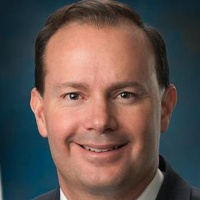
Mike Lee
Senator
UT
The UNtaxed Act prohibits the United Nations and its affiliates from imposing taxes, tariffs, or fees on U.S. citizens or entities, unless authorized by a Senate-approved treaty. This legislation also bans the use of U.S. funds to support the implementation or contributions toward a global carbon tax. A global carbon tax is specifically defined as a levy based on greenhouse gas emissions from vessels.
The UNtaxed Act: Bill Aims to Block Global Carbon Taxes and International Fees on U.S. Citizens
This bill, dubbed the UNtaxed Act, is pretty straightforward: it’s an attempt to draw a hard line against international bodies, primarily the United Nations, trying to levy taxes, fees, or penalties on U.S. citizens or businesses. The core idea is that unless the U.S. Senate specifically signs off on an international treaty authorizing such a charge (under Article II, Section 2 of the Constitution), the UN or its affiliates can’t touch your wallet (SEC. 2).
Drawing the Line Against Global Fees
Think of this as a sovereignty firewall. Currently, if you’re running a U.S. company, an international organization might try to impose a fee or tariff related to global commerce or regulation. This bill explicitly says, “Not so fast.” It prohibits the UN or any related body from imposing any tax, tariff, fee, or penalty on U.S. citizens or any “United States Entity”—meaning any business organized under U.S. law (SEC. 2, SEC. 4). This provides immediate protection for U.S. entities from future international financial demands that haven’t cleared the highest constitutional hurdle. For an average person, this means if the UN decided to start assessing a small fee on internet usage or travel, this bill would block it unless the Senate ratified it.
Stopping the Carbon Tax at the Border
The second major thrust of the bill targets environmental policy, specifically a “global carbon tax.” The bill defines this narrowly as a tax on vessel owners/operators based on their greenhouse gas emissions, requiring them to reduce those emissions (SEC. 4). The UNtaxed Act prohibits the U.S. government from using any funds—either assessed or voluntary contributions—to the UN if that money would be used to impose or enforce this specific type of global carbon tax (SEC. 3).
Why does this matter? Right now, international bodies like the International Maritime Organization (IMO) are discussing ways to decarbonize global shipping, and carbon pricing mechanisms are on the table. If adopted, these mechanisms could add costs to shipping vessels, which eventually trickle down to consumers through higher prices for imported goods. This bill essentially tells the U.S. government to pull the plug on any funding that supports the creation or enforcement of that specific international tax regime. If you’re a logistics manager or a small business owner who relies on global supply chains, this provision aims to keep your shipping costs—at least those related to a future UN carbon tax—from going up.
The Real-World Trade-Off
While the bill offers clear protection against international financial mandates, it also creates significant friction for U.S. participation in global climate efforts. By cutting off funding to the UN if those funds are used for implementing a global carbon tax (SEC. 3), the U.S. is essentially limiting its diplomatic options and potentially isolating itself from international agreements aimed at reducing emissions. For instance, if the U.S. wants to be at the table shaping the rules for global shipping emissions, but can’t contribute funds that might touch the enforcement mechanism, its influence could be severely limited. It’s a classic trade-off: reinforcing sovereignty and protecting U.S. entities from fees versus maintaining full engagement in complex, multilateral efforts like climate change mitigation.