This bill allocates funding for research on family caregivers and amends definitions and provisions within the Older Americans Act of 1965 to support them.
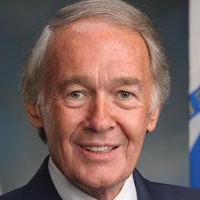
Edward "Ed" Markey
Senator
MA
This Act, the Family Caregiving Research and Innovation Act, allocates significant funding through 2030 to support research and evidence-based practices for family caregivers under the Older Americans Act. It also updates and clarifies the definitions of "family caregiver" and introduces a definition for "older relative caregiver." Finally, the bill amends the National Family Caregiver Support Program to focus its support services on family caregivers.
Family Caregiving Act Puts $30M Annually Toward Research, Tightens Rules for Respite Care Access
The Family Caregiving Research and Innovation Act is looking to significantly boost the federal government’s commitment to understanding and supporting the millions of Americans juggling work, life, and providing care for family members. The biggest headline here is the money: the bill allocates $30 million for each fiscal year from 2026 through 2030 for research, data collection, and evaluation activities related to family caregivers under the Older Americans Act of 1965 (Section 2).
The Research Payoff: What $150 Million Buys
Think of this research funding as an investment in better policy down the road. Right now, caregiving policy often operates on assumptions or outdated data. This $30 million annual injection is meant to fund serious, evidence-based research to figure out what actually helps caregivers—whether it’s financial support, training, or mental health resources. For the average person, this means future programs should be smarter and more effective, hopefully leading to solutions that reduce burnout and financial strain for those balancing a job and care duties.
Defining Care: Who Counts as a “Family Caregiver”?
This Act cleans up some messy definitions in the existing law. It clarifies that a “family caregiver” is an adult who informally provides in-home or community care to an older individual or someone of any age with Alzheimer’s or a related neurological disorder. Crucially, it specifically excludes anyone whose primary relationship with the care recipient is based on a financial or professional agreement. This distinction is important: if you’re getting paid a salary to be a professional aide, this program isn’t for you; if you’re sacrificing your own time and money to help your aging parent or sick spouse, it is.
The bill also introduces a new, specific category: the “older relative caregiver.” This applies to someone age 55 or older who is the primary caregiver for a child (like a grandchild or relative by blood/marriage) or an individual with a disability. For those caring for children, the caregiver must have a legal relationship (like custody or guardianship) because the parents are unable or unwilling to serve in that role. This new definition acknowledges the unique role of grandparents and older relatives stepping up when parents can’t.
The Catch: Respite Care Gets Restricted
Here’s where the bill gets complicated and potentially impacts some current beneficiaries. The Act amends the National Family Caregiver Support Program (NFCSP), which provides services like counseling, training, and, critically, respite care (temporary relief so the caregiver can take a break).
While the NFCSP will continue to generally support all “family caregivers,” the bill tightens who can receive the highest-value services: respite care and supplemental services. Under the revised Section 373, these services can only be provided to a family caregiver who is caring for an older individual meeting specific criteria. This means if you are an older relative caregiver who is primarily caring for a child or a disabled adult (who is not also an older individual), you may no longer be eligible for federally funded respite care through this program. This is a significant change: while the bill creates a specific definition for older relative caregivers, it simultaneously seems to restrict their access to key support services if their care recipient isn't an elder.
For state agencies running the NFCSP, this means they’ll need to adjust their eligibility checks, ensuring that respite services are reserved for those caring for the elderly, potentially creating a gap in support for those caring for younger disabled family members or grandchildren.