This Act establishes grants for eligible entities to develop or expand in-person and virtual peer support programs to assist family caregivers.
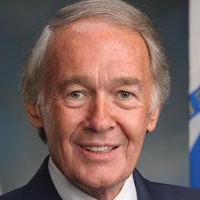
Edward "Ed" Markey
Senator
MA
The Family Caregiver Peer Support Act establishes a grant program to develop and expand peer support services for family caregivers, available both in-person and virtually. These grants will fund programs that offer emotional support and assistance with administrative tasks, while prioritizing underserved populations. The legislation also supports training for peer support specialists and ensures language access for diverse caregiver communities.
New Caregiver Support Act Prioritizes Funding for LGBTQ, Young, and Immigrant Caregivers
The “Family Caregiver Peer Support Act” aims to tackle the quiet crisis of caregiver burnout by funding new peer support programs across the country. Essentially, this bill creates a grant program under the Older Americans Act, authorizing $10 million annually from fiscal years 2026 through 2030, to help caregivers help each other.
This isn't just about handing out feel-good money. The grants are designed to fund eligible entities—like state agencies, universities, or local nonprofits—to either start or expand programs that provide practical, real-world assistance. Grant money can be used to develop in-person or virtual support groups where caregivers can get emotional support, but also help navigating the often-nightmarish administrative side of caregiving, like filling out complex financial or policy forms (SEC. 2).
The Peer Support Workforce: A New Pathway
One interesting use of the funds is the focus on workforce development. The bill allows grant recipients to use the money for recruitment, training, and retention activities to build a pool of certified peer support specialists. This means the bill isn’t just funding the services; it’s funding the people who deliver them, potentially creating new, specialized jobs in the care economy.
Crucially, the grants also target mental and behavioral health support for caregivers, a group notoriously prone to stress and depression. To make sure these services are actually accessible, the bill mandates that grant funds be used to provide language access services, including translation and interpretation for caregivers who use American Sign Language or for whom English is not their primary language. This is a big step toward making sure support isn't limited only to those who speak English well.
Who Gets Priority Funding?
If you're wondering where this $10 million is going, the bill is very specific about priorities. When the Secretary awards these grants, they have to give preference to organizations serving groups that are often overlooked or underserved. This includes low-income communities, specific racial and ethnic communities, and communities with a high number of immigrants. It also specifically prioritizes the LGBTQ community, family caregivers younger than age 35, and caregivers who themselves have a disability (SEC. 2).
This prioritization means that resources are intended to flow directly to the populations most likely to be struggling without adequate support. For example, a nonprofit serving a rural area identified as "underserved" or a community college developing a program specifically for young adults juggling college and caregiving duties would be put at the front of the line for funding.
The Practical Reality: A Limited Lifeline
While this bill creates a necessary program, it’s important to note the scope. It authorizes $10 million per year, which, while significant for targeted programs, is a relatively small pot of money when spread across the entire country for such a widespread issue. Furthermore, the funding is currently only authorized through fiscal year 2030. This means that while the programs established by these grants will provide a much-needed lifeline, they will need future legislative action to ensure long-term stability and sustainability beyond the initial five-year window.
For the average person, this bill means that if you are a caregiver—paid or unpaid—in one of these priority communities, help might soon be easier to find. It moves the needle by recognizing that caregiving isn't just a private family matter; it's a public health issue that requires specialized, accessible support.