This act mandates the FCC to specifically consider the universal service needs of consumers in Indian country and areas with high populations of Indian people.
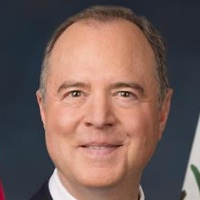
Adam Schiff
Senator
CA
The Tribal Internet Expansion Act of 2025 aims to improve broadband access for Native American communities. This legislation mandates that the Federal Communications Commission specifically consider consumers in Indian country and areas with high populations of Indian people when setting universal service policy. This ensures these populations are explicitly included alongside existing priority groups like rural and high-cost areas.
FCC Must Now Prioritize Tribal Broadband Access Under New Universal Service Policy Mandate
The “Tribal Internet Expansion Act of 2025” is short, but its implications for broadband access are significant. This bill mandates a crucial update to the Federal Communications Commission’s (FCC) universal service policy. Universal service is basically the idea that everyone, everywhere, should have access to basic communication services—and often includes subsidies and programs to make that happen. The bill requires the FCC to explicitly include consumers in Indian country and areas with high populations of Indian people when setting these policies, putting them on the same footing as traditionally underserved areas like rural, insular, and high-cost regions (Sec. 2).
The Digital Divide Gets a Direct Focus
For years, the digital divide has hit Native American communities especially hard. Infrastructure is expensive to build in remote areas, and existing federal programs haven't always been structured to prioritize these specific needs effectively. This bill is a direct instruction to the FCC: when you decide where the money goes and who gets priority for better internet access, you must factor in the needs of these communities. It’s about formal recognition in federal law that these areas deserve targeted attention for connectivity improvements.
What This Means for Real People
Think about a student living on a reservation where the only internet access is slow, unreliable satellite service. Before this act, the FCC might have considered that student’s home “rural” or “high-cost,” but this new mandate ensures their status as part of a Tribal community is a specific consideration for resource allocation. This could lead to more targeted funding for fiber optic builds or better wireless infrastructure in areas that have been bypassed. If the FCC follows through, this change could mean the difference between struggling through remote learning or a telehealth appointment and having reliable, fast internet access for the first time.
A Policy Shift with Practical Consequences
This isn't just bureaucratic language; it’s a policy lever. By adding these groups to Section 254(b)(3) of the Communications Act, the bill forces the FCC to structure its future programs—like the Universal Service Fund—with these specific needs in mind. While the bill itself doesn't allocate new money, it dictates how the existing and future money should be prioritized. The practical challenge will be how the FCC defines “areas with high populations of Indian people” and ensuring that this new focus results in actual shovels in the ground and affordable service plans, rather than just more studies. However, the intent is clear: to formally recognize and prioritize closing the connectivity gap for Native American communities across the country.