This Act amends the Federal Tort Claims Act to prohibit claims brought by the President or an individual who becomes President while the claim is pending.
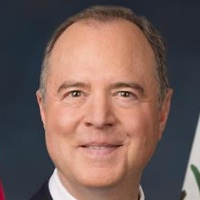
Adam Schiff
Senator
CA
The "No Torts for Trump Act" amends the Federal Tort Claims Act to prohibit lawsuits against the federal government brought by the sitting President or any individual who subsequently becomes President. This new exception bars such claims from being heard in federal court, regardless of when the underlying incident occurred.
Proposed Law Cuts President's Right to Sue Government: Retroactive Ban on Federal Tort Claims
The aptly named “No Torts for Trump Act” is a short but potent piece of legislation that carves out a new, highly specific exception to a major federal statute. This bill amends the Federal Tort Claims Act (FTCA), which is the law that normally allows a person to sue the federal government for harm caused by the negligence or wrongful actions of a federal employee. The core change here is that the bill bars two specific groups of people from bringing an FTCA claim: the sitting President, and anyone who becomes President while their claim is already pending in court (Sec. 2).
The Fine Print: Who Can't Sue Now
Think of the FTCA as the mechanism that holds the government accountable when a postal truck hits your car or a government doctor makes a serious mistake. This bill is saying that if you are the President, you cannot use that mechanism to sue the government, even if the harm happened before you took office. The bill goes further by making this change apply to any claim that is already in court on the date the law is enacted, meaning pending lawsuits could be dismissed immediately (Sec. 2). For example, if a President had a legitimate claim against the Department of Defense for property damage that occurred years ago, this bill would stop that lawsuit cold the moment it becomes law.
Real-World Stakes: Accountability and Access
While the bill is framed around the President's ability to sue the government—which is an unusual scenario to begin with—the larger question is what this means for the principle of equal access to justice. The FTCA is designed to provide a legal remedy for citizens harmed by government action. By creating an exception for the highest officeholder, this bill treats the President differently under the law than every other citizen, explicitly limiting their access to a standard channel of civil redress against the government. This is a significant move, especially because the bill applies retroactively, effectively pulling the rug out from under any existing litigation brought by a current or future President.
The Legal Scrutiny
This legislation is highly targeted and raises eyebrows because it singles out the office of the President. Legal statutes are usually written to apply broadly and neutrally, but this one is specific, both in its language and its title. It sets a precedent that the office of the President is subject to different rules when seeking redress against the government through the court system. While some might argue this protects the office from distraction by litigation, it fundamentally alters a core accountability statute (the FTCA) to create a specific barrier for the person holding the highest office, regardless of the merits of their potential claim or when the underlying incident occurred.