This Act updates the Fentanyl Sanctions Act to combat counterfeit pharmaceuticals by broadening its scope to include all illicit drugs, adding definitions for counterfeit and copy-cat ingredients, and modifying roles for the Director of National Intelligence.
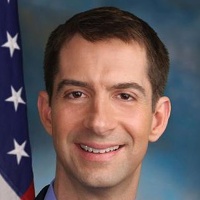
Tom Cotton
Senator
AR
The Combating Counterfeit Pharmaceuticals Act of 2025 updates existing law to combat the proliferation of counterfeit and "copy-cat" drugs. It broadens the scope of sanctions and intelligence gathering beyond just fentanyl to include all illicit drugs. The Act also clarifies definitions and expands eligibility for waivers concerning access to prescription medications currently facing shortages.
New Federal Bill Expands Drug Trafficking Enforcement Beyond Opioids and Creates Waiver for Drug Shortages
If you’ve ever tried to understand federal drug enforcement laws, you know they tend to focus on specific, headline-grabbing threats like fentanyl. The new Combating Counterfeit Pharmaceuticals Act of 2025 is basically an upgrade to the system, taking the existing framework designed for the opioid crisis and broadening it to cover almost every type of “illicit drug.” This isn't just a technical change; it expands the government’s reach in tracking and sanctioning drug traffickers, and it also throws in a crucial lifeline for patients dealing with medication shortages.
The Scope Creep: From Opioids to Everything Else
Existing laws, like the Fentanyl Sanctions Act, were heavily focused on “opioid” and “fentanyl” trafficking. This bill strikes those specific terms and replaces them with the much broader “illicit drug” across the board (Sec. 5). What does this mean in practice? It means the intelligence and enforcement tools previously aimed solely at the opioid supply chain can now be deployed against the trafficking of cocaine, methamphetamine, counterfeit pills, and anything else falling under that wider umbrella. For the Director of National Intelligence (DNI), this means their programs and authority related to foreign drug traffickers now cover a significantly larger territory (Sec. 3).
Introducing the “Copy-Cat Ingredient”
One of the most interesting and potentially tricky parts of this bill is the new definition of a “copy-cat ingredient” (Sec. 2). This targets substances intended to mimic, knock off, or appear to be a legitimate, approved prescription drug. If an ingredient is made using a different process than the approved version, or if its purity or quality is lower than the drug it mimics, it can be flagged as a “copy-cat.”
This is designed to catch the bad actors making fake pills, but it introduces a degree of subjectivity. For pharmaceutical manufacturers, particularly those creating generics, this new definition means increased scrutiny. If your process or final product is deemed to have “lower quality” than the original, you could potentially fall under this new classification, even if you are trying to make a legitimate, lower-cost alternative. The bill is clear that this definition is tied to the appearance or labeling, but the quality measure could be a point of contention for enforcement down the line.
The Shortage Lifeline for Patients
Perhaps the most immediately beneficial provision for everyday Americans is the medication waiver (Sec. 4). If you or a loved one relies on a prescription drug that suddenly hits the national drug shortage list—maintained by the Secretary of Health and Human Services—this bill creates a new pathway for access. It allows for a waiver to access these prescription medications, potentially speeding up the process of getting needed drugs to patients when supplies dry up. Think about the recent shortages of everything from antibiotics to cancer medications; this provision aims to cut through red tape when patient access is critical. For someone juggling chronic illness and a busy work schedule, this could be a major relief during a supply chain crisis.
In short, this legislation is less about creating new sanctions and more about upgrading the existing ones. It gives federal agencies a wider net to catch foreign drug traffickers by broadening the definition of what they can pursue, while simultaneously offering a practical solution for patients caught in the crossfire of drug shortages.