This bill extends the temporary enhanced premium tax credits through 2027 and extends the 2026 open enrollment period until January 15, 2026.
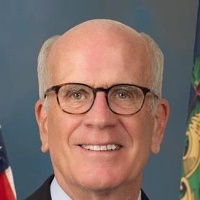
Peter Welch
Senator
VT
This bill extends the temporary enhanced premium tax credits under the Internal Revenue Code for two additional years, through 2027. It also adjusts related provisions for taxpayers exceeding 400% of the poverty line. Additionally, the bill extends the open enrollment period for the 2026 plan year until January 15, 2026.
Extended Healthcare Subsidy Cap: Premium Tax Credits Locked In Until 2028, Saving Families Thousands
Here’s the deal: navigating health insurance is already a massive headache, and the cost is usually the biggest pain point. This new legislation is pretty straightforward—it’s essentially hitting the 'extend' button on the enhanced financial help that millions of people use to pay for their marketplace health plans.
The Subsidy Lifeline Gets a Two-Year Extension
What this bill does is push the expiration date of the temporary enhanced premium tax credits (PTCs) from January 1, 2026, to January 1, 2028 (Sec. 1). Think of the PTCs as the government’s way of capping how much of your income goes toward health insurance premiums. Without these enhanced credits, those caps would shoot up, forcing many people to either pay significantly more or drop coverage entirely. This extension locks in the current, more generous subsidy structure for two additional years, applying to tax years beginning after December 31, 2025.
Crucially, this bill also extends the financial relief for those whose household income is above 400% of the federal poverty line (FPL). Before the temporary enhancements, if your income crossed that 400% threshold—say, you got a decent raise or your side hustle took off—you could lose eligibility for any subsidy, resulting in a sudden, massive jump in your monthly premium. This bill keeps the current structure in place, meaning those with higher incomes can still access affordable coverage through the marketplace until 2028 (Sec. 1).
For a small business owner or a freelancer whose income fluctuates, this is huge. It means you don't face a financial cliff edge if your income temporarily exceeds the 400% FPL mark. Instead of paying 10% or more of your income just for premiums, the current caps stay put, making insurance feel less like a luxury item and more like a necessity you can actually afford.
More Time to Enroll for 2026
Beyond the subsidies, the bill also offers a practical win for busy people: it extends the open enrollment period for the 2026 plan year. Typically, the deadline for open enrollment is around December 15th. For 2026, this bill pushes the deadline back to January 15, 2026 (Sec. 2).
If you’ve ever tried to pick a health plan while juggling holiday travel, end-of-year work deadlines, and family obligations, you know how valuable that extra month is. This gives people a longer runway to compare plans, check their eligibility for the extended subsidies, and make sure they don't accidentally miss the sign-up window, which is a common mistake that leaves people uninsured for the whole year. It’s a simple change, but it makes the process much more user-friendly for anyone who needs a little extra time to get their ducks in a row.
In short, this legislation is a stability play. It keeps the enhanced financial help flowing for two more years and gives consumers more breathing room to enroll. The main cost, as always with subsidies, falls on the federal government, which will need to budget for these extended expenditures. But for the average person relying on the marketplace, this bill means keeping thousands of dollars in their pocket annually and avoiding the stress of a sudden premium spike.