This Act prohibits broker-dealers and investment advisers controlled by or significantly reliant on the People's Republic of China from operating in U.S. financial markets for five years.
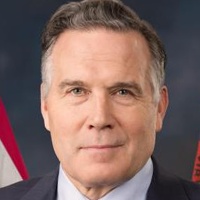
Dave McCormick
Senator
PA
This Act establishes a five-year moratorium on new broker-dealers and investment advisers that are controlled by, or rely on essential services from, entities or residents of the People's Republic of China (PRC). The legislation prohibits these PRC-connected firms from registering or joining national securities associations in the U.S. Financial regulators are granted examination authority over these entities to ensure compliance with the new restrictions.
Five-Year Ban Proposed for Financial Firms with 25% PRC Ownership or Essential Service Ties
The PRC Broker-Dealers and Investment Advisers Moratorium Act is straightforward: it puts a five-year pause on allowing certain financial firms with ties to the People’s Republic of China (PRC) to operate in the U.S. markets. Specifically, it targets broker-dealers and investment advisers, blocking them from joining national securities associations or registering with the SEC if they fall under the new rules. This isn't just about firms based in China; it’s about control and essential services.
The 25% Rule and Essential Services
This bill introduces a new threshold for exclusion. If a broker-dealer or investment adviser is controlled by a PRC-based entity or a PRC citizen living there, they are out. The bill defines "control" as owning more than 25% of the voting stock. Think about a mid-sized U.S. investment advisory firm that took a minority investment from a major Chinese bank a few years ago—if that stake is 26%, this bill could force them to divest or shut down their U.S. operations for the next five years. This also applies if they use "essential services"—like software development, product development, or customer service—from an affiliate that is organized under PRC law. This is a big deal because many global financial firms rely on their overseas affiliates for back-office tech and support, meaning they would have to completely restructure their operations to comply.
Expanding the Regulatory Reach
To enforce this moratorium, the bill grants significant new powers to regulators. The national securities associations (for broker-dealers) and the SEC (for investment advisers) will now have the authority to examine these firms to ensure compliance. Here’s the kicker: this examination power extends to checking books and facilities even if they are located in a foreign country. This means U.S. regulators would be checking the records of PRC-based affiliates providing those “essential services.” This extraterritorial reach is unusual and could create operational friction for firms and potential diplomatic issues, especially since the bill doesn't specify how these overseas inspections would actually be carried out.
Who Feels the Pinch?
If you work for a financial firm with any significant ownership or operational ties to the PRC, this bill could mean major changes, or even job losses, as companies scramble to meet the 25% control threshold or shift their essential tech and customer service operations out of their PRC affiliates. For everyday investors, this could mean fewer choices in financial service providers, particularly those specializing in cross-border investments or those that offered lower costs due to efficient global operational structures. The bill is set to sunset after five years, meaning these prohibitions and the expanded examination authorities would automatically expire unless Congress renews them. For the next half-decade, however, it redraws the lines for who gets to play in the U.S. financial sandbox.