The Northern Montana Water Security Act of 2025 ratifies a comprehensive water rights settlement for the Fort Belknap Indian Community and authorizes $250 million in federal funding to upgrade wastewater infrastructure for the Blackfeet Tribe.
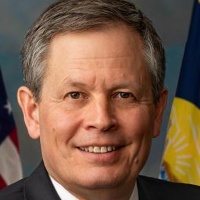
Steve Daines
Senator
MT
The Northern Montana Water Security Act of 2025 provides a comprehensive framework to resolve long-standing water rights claims for the Fort Belknap Indian Community while authorizing critical infrastructure investments for both the Fort Belknap and Blackfeet Reservations. This legislation secures reliable water supplies, rehabilitates aging irrigation and wastewater systems, and facilitates land transfers to support tribal economic development and public health. By settling these claims and funding essential utility projects, the act ensures long-term water stability for tribal communities and regional water users across Montana.
Northern Montana Water Security Act Authorizes $716 Million for Tribal Infrastructure and Settles Decades-Old Water Disputes
The Northern Montana Water Security Act of 2025 is a massive legislative cleanup hitting the books to settle long-standing water rights disputes for the Fort Belknap Indian Community and the Blackfeet Tribe. At its core, the bill ratifies a negotiated compact between the tribes, the State of Montana, and the federal government. It’s not just a legal handshake, though; it’s a major infrastructure play. The bill secures a defined share of water for the Fort Belknap community—including 20,000 acre-feet annually from Lake Elwell—and authorizes hundreds of millions of dollars to build the pipes, canals, and treatment plants needed to actually move that water. For the Blackfeet Tribe, it specifically earmarks $250 million to overhaul wastewater systems that have been lagging for years. In exchange for this funding and land, the tribes agree to drop most of their historic legal claims against the U.S. government, providing a clean slate and legal certainty for everyone in the region.
Tapping into New Resources
This bill does more than just move numbers on a spreadsheet; it changes the physical landscape of northern Montana. By authorizing roughly $716 million for the Fort Belknap Indian Irrigation Project, the legislation aims to fix aging federal systems that have been crumbling for decades. Think of it like a massive home renovation for an entire region's plumbing. For a local rancher or a tribal farmer, this means more reliable irrigation and fewer worries about dry spells. The bill also creates two major funds—the Aaniiih Nakoda Settlement Trust Fund and an Implementation Fund—to ensure the money is there for clean drinking water and sewer projects. It even goes as far as canceling old debts and liens on tribal allotments, effectively wiping the financial slate clean for individual landowners who have been burdened by past irrigation charges.
Infrastructure and Land Swaps
Beyond the water itself, the act triggers a significant land transfer, moving about 38,000 acres of federal and state land into a trust for the Fort Belknap Community. This expands the reservation’s footprint for cultural and economic use, though it explicitly bans any new gaming or casinos on these specific lands. For the Blackfeet Tribe, the focus is on the $250 million wastewater injection. This isn't just about convenience; it’s a public health move. By funding the entire lifecycle of these systems—from design to long-term maintenance—the bill aims to reduce waterborne diseases and create the infrastructure necessary for new businesses and homes to actually hook up to a modern grid.
The Cost of Certainty
While the benefits are clear for tribal members and local irrigators who get upgraded canals, the bill comes with a significant price tag for federal taxpayers. We’re looking at hundreds of millions in mandatory spending and additional authorized appropriations. There’s also a ticking clock: if Congress doesn't pony up the cash by 2035, or if certain legal milestones aren't hit by 2036, the whole deal could collapse. If that happens, the tribes could theoretically bring back their old lawsuits, putting everyone back at square one. For now, the bill acts as a high-stakes peace treaty that trades federal dollars for long-term regional stability, ensuring that when someone in northern Montana turns on the tap or opens an irrigation gate, the water is actually there.