This bill officially elects Mr. Beyer to the House Committee on Science, Space, and Technology.
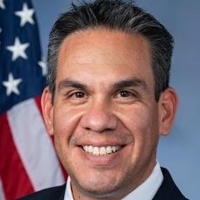
Pete Aguilar
Representative
CA-33
This bill officially elects Mr. Beyer to serve as a member of the House Committee on Science, Space, and Technology.
House Resolution Elects Mr. Beyer to Science, Space, and Technology Committee
This resolution is a straightforward piece of internal housekeeping for the House of Representatives. It formally elects Mr. Donald S. Beyer Jr. to serve on the House Committee on Science, Space, and Technology. This is a procedural move that ensures the committee is fully staffed and ready to conduct its work.
The Committee Shuffle: What It Means
When Congress needs to fill a vacant spot on a standing committee—like the one that oversees NASA, federal research grants, and technology policy—they pass a resolution like this. Think of it as the Congressional HR department updating the organizational chart. The Science, Space, and Technology Committee is responsible for authorizing funding and oversight for non-defense federal scientific research and development, including agencies like the National Science Foundation (NSF) and the National Institute of Standards and Technology (NIST).
For the average person, this resolution doesn't change anything immediately—your taxes aren't affected, and no new regulations are being created. Its impact is entirely internal. It simply means that Mr. Beyer will now have a direct role in shaping the legislation and oversight related to science, climate research, and tech innovation that comes out of that committee. His presence fills a necessary seat, allowing the committee to maintain its quorum and workload efficiency.
Why We Track Procedural Moves
While this resolution is purely procedural and has no direct policy impact on your daily life, these committee assignments are where the actual policy sausage gets made. The members on the Science Committee influence decisions that eventually affect everything from federal grants that fund new medical breakthroughs to the oversight of space exploration programs. Tracking who sits on which committee helps us understand where power and influence are distributed within the legislative process. It’s the behind-the-scenes stuff that dictates who gets to write the fine print on future bills that will affect the rest of us.