This resolution condemns public institutions for using compelled political litmus tests, such as DEI statements, in hiring and admissions as a violation of First Amendment rights and academic freedom.
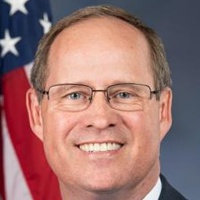
Gregory Murphy
Representative
NC-3
This resolution asserts that compelled political litmus tests, such as mandatory Diversity, Equity, and Inclusion (DEI) statements required by public institutions for hiring or admission, violate the First Amendment rights to academic freedom and free speech. It condemns public colleges and universities for conditioning employment or admission on adherence to specific ideological viewpoints. The resolution strongly discourages the practice of requiring applicants or faculty to pledge allegiance to any political ideology as a condition of advancement.
Proposed Resolution Condemns DEI Statements as Unconstitutional 'Litmus Tests' for Public University Hiring
This resolution is a strong statement asserting that public colleges and universities requiring applicants—whether students or faculty—to submit statements about their views on Diversity, Equity, and Inclusion (DEI) are violating the First Amendment. It doesn't create a new law, but it formally condemns this practice, arguing that these requirements act as unconstitutional “political litmus tests” that force people to endorse specific ideological views to get a job or gain admission. The resolution specifically targets the requirement of any “pledge or statement regarding diversity, equity, and inclusion, or related topics” as a condition for hiring, promotion, or admission, citing concerns about academic freedom and compelled speech.
The Campus Hiring Screen: Policy vs. Principle
The core of this resolution focuses on the hiring and promotion process at public universities. It cites data suggesting that nearly 20% of academic job postings now require a DEI statement. Think about it this way: If you’re applying for a job, say, as a civil engineer or a chemistry professor, this resolution says you shouldn't have to write an essay affirming your support for a specific political or social movement just to be considered. The logic here is that public institutions can’t compel you to speak a certain way—or hold certain beliefs—as a condition of employment. For a faculty member who believes in viewpoint diversity over identity-based initiatives, this resolution offers a potential shield against mandatory ideological screening.
Who Feels the Change?
If this resolution gains traction, the biggest impact will be felt by two groups. First, the applicants—faculty members seeking tenure or students applying to medical school (where the resolution notes this practice is common)—would be protected from having to self-censor or produce a statement they don't genuinely support. They benefit from a clearer path to employment or admission based purely on merit and professional qualifications, without the ideological screening. Second, public university administrations will feel the heat. Many institutions use DEI statements as a tool to ensure faculty commitment to institutional diversity goals. This resolution directly challenges the administration's ability to use this tool, potentially complicating efforts to build a faculty that aligns with specific demographic or institutional diversity targets. Essentially, it pits the principle of academic freedom and free speech against the policy goals of institutional equity.
The Real-World Friction
This isn't just an abstract fight over academic policy; it touches on how public money is spent and who gets access to opportunity. The resolution notes that universities are increasing staff dedicated to DEI initiatives, suggesting a prioritization of ideology over education. The challenge here is implementation: while the resolution condemns compelled speech, institutions might simply shift the language in their application requirements to be less explicit, perhaps asking about “contributions to institutional values” or “fostering an inclusive environment.” The spirit of the requirement could remain, even if the letter of the law is followed. This resolution makes a strong case for protecting individual speech rights in public institutions, but it also creates significant friction for universities dedicated to meeting diversity goals through specific, measurable hiring criteria. It’s a classic policy collision: how do you ensure diversity without requiring an ideological pledge?