This bill expresses support for designating September 2025 as National Childhood Cancer Awareness Month to raise public knowledge and prioritize the fight against childhood cancer.
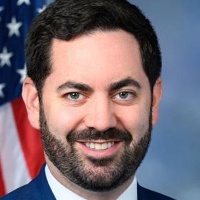
Michael Lawler
Representative
NY-17
This resolution expresses strong support for designating September 2025 as "National Childhood Cancer Awareness Month." It highlights the significant public health impact of childhood cancer, noting the thousands of annual diagnoses and fatalities. The bill encourages federal, state, and local entities to observe the month with awareness programs and pledges to prioritize the prevention and cure of childhood cancer.
Resolution Backs September 2025 as 'National Childhood Cancer Awareness Month' to Boost Public Knowledge
This resolution is straightforward: it expresses formal support for designating September 2025 as “National Childhood Cancer Awareness Month.” It’s not about changing laws or funding, but about making sure a critical health issue stays visible. The goal is to encourage federal, state, and local governments, along with non-profits, to dedicate time and resources to awareness campaigns and appropriate activities during that month.
The Real-World Stakes of Awareness
While this is a non-binding resolution—meaning it doesn't create new laws or mandate spending—it serves as an important signal. The text lays out some sobering facts to back up the need for awareness, noting that over 14,500 children under age 19 are diagnosed with cancer each year, and it remains a leading cause of death for children after infancy. For parents, this resolution is a public acknowledgment that this fight is real and ongoing. It’s an official request for communities to pay attention and learn the risks.
More Than Just a Month: The Survivor Story
The resolution doesn't just focus on the newly diagnosed; it specifically addresses the long-term impact on survivors. It highlights that the 5-year survival rate has impressively jumped to 85% in 2025, up from 58% in the mid-1970s. However, it also points out a heavy cost: between 60% and over 90% of childhood cancer survivors develop at least one chronic health condition later in life. That’s a huge number.
Because of this, the resolution specifically encourages survivors to continue receiving ongoing monitoring and care throughout their adult lives. This is crucial for busy adults who might assume they're past the danger zone. It’s a policy nod to the fact that the battle doesn't end when treatment does, reminding survivors (and their employers and healthcare providers) that long-term follow-up is non-negotiable for managing potential late effects.
A Pledge for Priority
Ultimately, this resolution is a pledge. It recognizes the human toll and seeks to make the prevention and cure of childhood cancer a public health priority. By setting aside a specific month and encouraging awareness activities, the resolution aims to mobilize resources and knowledge. For the average person, this could mean seeing more visible campaigns in September, leading to better understanding of symptoms, and perhaps more community support for local organizations focused on pediatric oncology. It’s about keeping the focus sharp on a disease that affects all communities.