This resolution condemns the Ethiopian government for actions threatening regional stability, violating human rights, and undermining U.S. interests in the Horn of Africa, while urging sanctions and aid suspension until reforms are made.
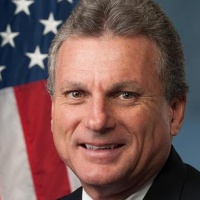
Earl "Buddy" Carter
Representative
GA-1
This resolution condemns the Government of Ethiopia for actions that threaten regional stability and violate fundamental human rights across the country. It expresses grave concern over documented atrocities and urges accountability for gross human rights violations, including war crimes and genocide. Furthermore, the resolution opposes the use of U.S. taxpayer funds to support entities engaged in such abuses and calls for the use of diplomatic and economic tools, including sanctions, to incentivize democratic reforms. Finally, it urges the administration to suspend nonhumanitarian aid until verifiable progress is made toward ending hostilities and protecting vulnerable communities.
U.S. Resolution Urges Sanctions and Aid Cuts Against Ethiopia Over Human Rights Violations
This resolution is a strong public condemnation of the Ethiopian government, laying out a case that its actions are threatening regional stability, violating human rights, and undermining U.S. interests in the Horn of Africa. Essentially, it calls for the U.S. government to stop business as usual and put serious pressure on the regime.
The document details findings of widespread violence across several regions—Amhara, Oromia, Tigray, and others—leading to massive loss of life, property destruction, and conflict-driven famine. Crucially, it finds credible reports indicating that parties aligned with the government have committed gross human rights violations, including war crimes and crimes against humanity. It also specifically notes that religious institutions, like the Ethiopian Orthodox Church, have been targeted, undermining religious freedom and civil society.
The Immediate Ask: Hit the Wallet and the Reputation
The resolution doesn't just offer thoughts and prayers; it demands concrete action from the Executive Branch. It urges the Secretary of State to immediately use all available diplomatic and economic tools, including sanctions and restrictions on foreign assistance. Think of it as a policy time-out for the Ethiopian government until they can show they're serious about reform and human rights.
Specifically, the resolution calls for two major actions. First, it pushes for Global Magnitsky sanctions against Ethiopian officials credibly implicated in human rights violations. For those officials, this means their assets in the U.S. could be frozen, and they’d be banned from entering the country. This hits them where it hurts—their ability to travel and move money internationally. Second, it calls for the suspension of nonhumanitarian aid and security assistance until verifiable progress is made toward ending hostilities and protecting international law. This means U.S. taxpayer dollars would stop flowing to support a government accused of atrocities, aligning U.S. policy with human rights principles.
The Real-World Friction Points
While the goal—stopping atrocities and promoting stability—is clear, the implementation has a couple of potential snags. The resolution calls for suspending nonhumanitarian aid until "verifiable progress is made." That term, "verifiable progress," is medium vague. Who decides what counts? If the administration is too strict, aid could be suspended indefinitely, potentially hurting ordinary citizens who rely on broader development programs, even if the aid is technically "nonhumanitarian." If they’re too loose, the sanctions lose their bite.
For the officials targeted, the impact is immediate and personal. They face isolation and financial penalties. On the other hand, the resolution does prioritize supporting civil society, human rights defenders, and religious communities at risk. This means the U.S. foreign policy focus would shift to buttressing the groups working for change on the ground, rather than supporting the government itself.
In short, this resolution serves as a very loud signal that the U.S. is demanding accountability. It moves beyond diplomatic statements to call for tangible economic and legal consequences, forcing the administration to take action on what the resolution defines as a crisis of human rights and regional stability.