This bill impeaches Secretary of Defense Peter B. Hegseth for high crimes and misdemeanors, citing unauthorized lethal military strikes and reckless mishandling of classified information.
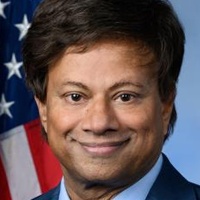
Shri Thanedar
Representative
MI-13
This resolution impeaches Secretary of Defense Peter B. Hegseth for high crimes and misdemeanors. The charges stem from ordering unauthorized lethal military strikes resulting in the killing of survivors, and recklessly mishandling classified combat operational details by sharing them in an unauthorized group chat. The bill seeks his removal from office and disqualification from future federal office.
Impeachment Resolution Filed Against Defense Secretary Hegseth Over Alleged War Crimes and Classified Leaks
This resolution is a serious move to impeach Peter B. Hegseth, the Secretary of Defense, formally presenting articles of impeachment to the Senate for trial. It outlines two major charges, both alleging high crimes and misdemeanors that go far beyond typical policy disagreements and touch on criminal conduct and national security.
The first charge centers on a military campaign of lethal strikes against small boats in the Caribbean and eastern Pacific, starting September 2, 2025. The resolution claims these strikes were carried out without the required legal authorization from Congress. More specifically, it details one incident where, after an initial strike, at least two survivors were seen clinging to wreckage. The resolution asserts that Secretary Hegseth’s order was to “kill everybody,” leading the Armed Forces to carry out a second strike explicitly to kill those survivors. This conduct is cited as violating multiple laws, including federal statutes defining first-degree murder (18 U.S.C. 1111) and conspiracy to commit murder (18 U.S.C. 1117), as well as war crimes (18 U.S.C. 2441) because the Law of War Manual prohibits attacking combatants who are hors de combat (out of combat), like shipwrecked survivors. If true, this isn't just a policy failure; it's an allegation of ordering criminal acts that violate the core rules of war.
The Unauthorized War and the Rules of Engagement
For regular folks, this part matters because it gets to the heart of who gets to decide when the U.S. military uses lethal force. If a Secretary of Defense can launch unauthorized, lethal military campaigns, it represents a significant overreach of executive power, bypassing Congress, which is supposed to hold the war powers purse strings. Furthermore, the allegation of intentionally targeting survivors is a profound breach of military ethics and international law. For anyone who serves or has family serving, these allegations raise serious questions about the lawful orders and moral standards applied at the highest levels of command responsibility.
Classified Intel on a Group Chat
The second charge focuses on the alleged reckless mishandling of highly sensitive classified information. The resolution claims that between March 11 and March 15, 2025, Secretary Hegseth used the unauthorized messaging platform Signal to chat with other officials and journalist Jeffrey Goldberg about planning for airstrikes in Yemen. Specifically, on March 15, he allegedly detailed imminent operational information in the chat, including target information, specific weapons systems (F18s, MQ9 drones, Tomahawk missiles), attack sequencing, and exact launch and impact times. That’s the kind of detail that is supposed to be locked down tight.
This action is cited as violating federal law (18 U.S.C. 1924) concerning the knowing removal of classified information to an unauthorized location. The resolution concludes that this reckless disclosure endangered Armed Forces members and undermined morale. Imagine you’re a pilot or drone operator preparing for a mission, and the specific details of your operation—the exact time and place you’ll be—are being shared on a journalist’s Signal app days before. This isn't just a security breach; it’s a direct threat to the safety of people on the ground and in the air. This charge highlights the risks when high-ranking officials treat sensitive national security information like casual office gossip.
The Bottom Line
This resolution doesn't just call for the Secretary’s removal from office; it seeks to disqualify him from ever holding future federal office. The allegations are extremely severe, ranging from alleged violations of U.S. criminal law (murder, war crimes) to severe breaches of national security protocols. While the impeachment process is inherently political, the findings detailed in this resolution—if proven—represent a fundamental breakdown of legal, ethical, and operational standards at the very top of the Department of Defense. It’s a moment of intense scrutiny on accountability and the rule of law within the highest levels of government.