This resolution denounces six Members of Congress for allegedly using dangerous rhetoric that attempts to sow disallegiance and encourage insubordination within the U.S. military and intelligence community against the Commander in Chief.
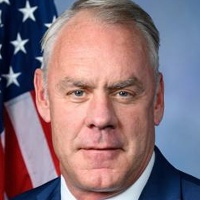
Ryan Zinke
Representative
MT-1
This resolution denounces the rhetoric of six specific Members of Congress for allegedly sowing disallegiance within the U.S. military and intelligence community. It condemns their actions for encouraging service members to potentially violate the Uniform Code of Military Justice by suggesting they defy orders without evidence of illegality. The bill asserts that this rhetoric undermines the President's role as Commander in Chief and compromises national security.
House Resolution Condemns Six Members of Congress, Labeling Military Oversight Rhetoric as 'Seditious'
This isn’t a bill that changes tax law or builds a new bridge; it’s a formal resolution from the House of Representatives that serves as a political censure. Specifically, this resolution aims to formally condemn six named Democratic Members of Congress—Senator Mark Kelly, Senator Elissa Slotkin, Representative Jason Crow, Representative Christopher Deluzio, Representative Maggie Goodlander, and Representative Chrissy Houlahan—for what the resolution calls “dangerous and seditious rhetoric.” The core of the complaint stems from a video posted on November 18, 2025, where these members allegedly urged military and intelligence community personnel to defy orders they independently deemed unlawful, which the resolution claims is an attempt to sow disallegiance and encourage violations of the Uniform Code of Military Justice (UCMJ).
The Legal Framework vs. Political Statement
The resolution spends significant time reinforcing established military law. It correctly cites the Constitution, which makes the President the Commander in Chief (Article II, Section 2), and 10 U.S.C. 892 (Article 92 of the UCMJ), which makes it a crime for a service member to knowingly fail to obey lawful orders. The resolution notes that Congress has made it a federal crime to cause or attempt to cause insubordination or mutiny in the military. This context is used to frame the six members’ comments as undermining the “sacrosanct nature of the chain of command.” It points out a key factual finding: when asked for proof of unlawful orders, the named members stated they were not aware of any currently issued by the Commander in Chief, making their public urging more about a hypothetical situation than an immediate threat.
What Does “Seditious Rhetoric” Mean for Oversight?
While this resolution doesn't create new law—it’s simply a formal statement of opinion by the House—its language is sharp and potentially concerning for anyone who believes in robust legislative oversight. The resolution explicitly “Denounces the dangerous and seditious rhetoric” from the six members, claiming it places troops and their families at risk and compromises national security. For the average person, this isn't about their commute or their paycheck, but it speaks volumes about the political climate in Washington. Using terms like “seditious” to describe legislators’ public comments about military conduct sets a high bar for political condemnation. It suggests that questioning the Executive Branch’s handling of the military, even hypothetically or preemptively, could be formally branded as an attack on the country itself.
The Real-World Impact: Chilling Effect
The most significant impact here isn't on the military—the UCMJ still stands, and service members are still obligated to follow lawful orders—but on the legislative branch itself. This resolution is primarily a political attack on opponents, using the formal power of the House to deliver a public shaming. For current and future Members of Congress, especially those who might want to conduct aggressive oversight of the military or intelligence communities, this resolution creates a “chilling effect.” If criticizing or even questioning the Commander in Chief's potential actions can be formally labeled as encouraging “mutiny” or “disloyalty” by the opposing party, some members might think twice before speaking out. This is less about policy and more about using institutional power to intimidate political rivals and defend the current administration from criticism, which ultimately affects how freely the legislative branch can hold the executive branch accountable.