This resolution encourages states and localities to adopt best practices for equitable cannabis policy and directs the President to advocate for international cannabis descheduling.
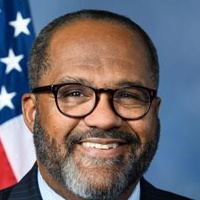
Troy Carter
Representative
LA-2
This resolution, the RESPECT Resolution, encourages states and localities to adopt best practices to advance equity in the legal cannabis market and repair harms caused by the War on Drugs, especially for communities of color. It recommends specific actions such as expunging past cannabis convictions, creating equitable licensing priorities, and reinvesting tax revenue into affected communities. Furthermore, the bill directs the President to advocate at the United Nations to remove cannabis from international drug control treaties.
New RESPECT Resolution Pushes for Automatic Cannabis Record Expungement and Equity in the $65 Billion Market
This resolution, cleverly titled the RESPECT Resolution, lays out a detailed blueprint for how states and localities should fix the historical damage caused by cannabis prohibition—specifically focusing on social equity and economic participation. While it’s a resolution and not a mandatory law, it acts like a strong instruction manual, urging states to adopt best practices that include eliminating criminal penalties for cannabis use and ensuring public benefits aren't denied due to a cannabis conviction. The core message is clear: the people most harmed by the War on Drugs should benefit the most from the legal market, which currently generates about $65 billion annually.
The Automatic Fix: Clearing the Slate
For anyone with a past cannabis conviction, this resolution’s biggest selling point is the push for automatic, no-cost expungement or sealing of criminal records for cannabis offenses. Think about that: no more hiring a lawyer, filling out endless forms, or paying fees just to clear a minor possession charge from twenty years ago. The resolution also calls for resentencing individuals currently serving time for cannabis convictions and eliminating suspicion-less drug testing for non-safety-sensitive jobs. For someone trying to get a better job or secure housing, this provision alone could be life-changing, removing roadblocks that have nothing to do with current job performance or safety.
Leveling the Playing Field for Small Business
One of the most practical sections deals with how states hand out licenses. The resolution encourages states to scrap broad felony restrictions for licensing and focus market entry rules only on convictions relevant to owning and operating a business. More importantly, it pushes for prioritizing licenses for those most impacted by the War on Drugs, such as individuals who were formerly incarcerated or those living in heavily policed areas. To keep big corporate money from swallowing up these equity licenses, the resolution suggests policies to prevent large companies from gaining significant revenue from these prioritized license holders. It also advocates for reasonable licensing fees—only enough to cover implementation costs—which is a huge deal when current fees can easily top $100,000.
Reinvesting in the Community
The resolution isn't just about individual records and business licenses; it’s about community repair. It encourages states to set aside a percentage of cannabis sales tax revenue to reinvest in the communities most affected by historical cannabis arrests—often communities of color. This money would fund programs like job training, reentry services, public libraries, and youth programs. Additionally, another percentage would go toward a special fund to provide small business investments specifically to support people of color entering the legal cannabis industry. This creates a direct feedback loop, ensuring that the profits generated from legalization are used to repair the harm caused by prohibition.
The Global Push: Taking Cannabis Off the Schedule
Finally, the RESPECT Resolution directs the President to instruct the U.S. Mission to the United Nations to advocate for the removal of cannabis from international drug control treaties. This is a big-picture move. If the U.S. successfully pushes for global descheduling, it could ease international trade restrictions and further normalize cannabis as a legal commodity worldwide. This is less about your daily life now and more about setting the stage for future federal action and global market expansion.
The Catch: It’s All Encouragement
The biggest thing to understand is that this is a resolution, not a bill that mandates federal action or forces states to comply. Section 2 encourages states and localities to adopt these best practices. This means the detailed, impactful equity provisions—like automatic expungement and license prioritization—will only happen if individual states and cities choose to implement them. While the intent is overwhelmingly positive and aims to correct decades of injustice, the actual real-world impact hinges on local political will. It’s a powerful roadmap, but the states still have to drive the car.