This resolution condemns the illegal and damaging international practice of using "flags of convenience" for undermining U.S. security, economic rules, and labor standards while supporting the American maritime industry.
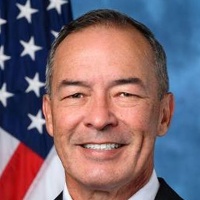
James (Jim) Moylan
Representative
GU
This resolution condemns the international practice of using "flags of convenience," where ships are registered in countries with lax regulations to avoid U.S. laws and standards. Congress asserts that this practice undermines national security by weakening the U.S. merchant marine fleet and enables illegal activities like illicit trafficking and environmental harm. The bill strongly supports the U.S. maritime industry while calling on international bodies to enforce higher global labor and safety standards for shipping.
Congress Condemns 'Flag-of-Convenience' Shipping, Citing National Security and Illegal Fishing Risks
This resolution is Congress putting its foot down, officially condemning the international practice of "flag-of-convenience" shipping. If you’re not in the maritime industry, this might sound like jargon, but it’s essentially when a ship owner registers their vessel in a country with minimal oversight—often just to dodge taxes, labor laws, and safety regulations back home. The resolution argues this practice is a massive problem for the U.S., affecting everything from our national security to the price of seafood.
The core message is simple: using these foreign flags hurts American interests. Specifically, the resolution points out that in a national emergency, the U.S. can’t rely on these vessels, even if they’re owned by Americans, because their loyalty is technically to the flag they fly. This lack of reliability leaves the U.S. vulnerable and undermines the American-flagged merchant marine fleet, which is obligated to serve the country when called upon. It’s like relying on a rental car for a cross-country move—it might work, but you have zero control over it when things get complicated.
The Real-World Cost of Regulatory Shortcuts
For regular folks, the biggest impacts of flag-of-convenience schemes show up in two places: security and your wallet. The resolution highlights how these lax registries are fertile ground for illegal activity. Think massive, unchecked operations like Illegal, Unreported, and Unregulated (IUU) fishing. The Coast Guard estimates this practice costs the global seafood industry a staggering $50 billion annually. When illegal fishing depletes global stocks, it puts pressure on legitimate, regulated fisheries, eventually impacting the supply and cost of your fish tacos.
Beyond fishing, the resolution links these ships to illicit trafficking, forced labor, and even terrorist financing, noting a 2002 panel that found al-Qaida operating vessels this way. When oversight is nonexistent, the bad actors move in. By condemning these practices, Congress is aiming to reduce the global regulatory loopholes that allow criminals to operate under the radar, which is a net win for global stability and legal commerce.
Undermining American Jobs and Safety
This isn't just about global security; it’s about American jobs. The resolution argues that flag-of-convenience practices directly undermine U.S. workers and standards. When shipowners can register elsewhere to avoid paying fair wages, providing adequate safety conditions, or adhering to reasonable working hours, American seafarers lose out. This forces U.S. shipbuilding and repair industries to compete against dramatically lower foreign labor costs and standards, making it tough to keep those jobs stateside.
In response, the resolution strongly supports boosting the domestic U.S. maritime industry, calling for more funding and better job opportunities. It also encourages the U.S. Coast Guard to strengthen its international partnerships and criticizes countries that deliberately ignore safety standards and the workplace rights of sailors. While this resolution doesn't enact new laws or funding, it’s a powerful statement of intent—it tells the world, and future lawmakers, that Congress views supporting the U.S. maritime sector and cracking down on these regulatory dodges as a top priority.