This resolution designates February 28, 2025, as Community Arts Education Day to recognize the vital role of arts education in fostering personal growth, cultural connection, and community well-being.
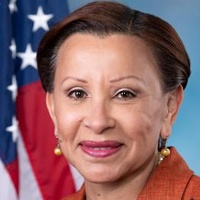
Nydia Velázquez
Representative
NY-7
This resolution designates February 28, 2025, as Community Arts Education Day to celebrate the vital role of arts instruction in fostering personal growth, cultural heritage, and social connection. It recognizes the dedicated educators and culture bearers who use the arts to build essential life skills and strengthen community belonging. Ultimately, the bill highlights the transformative power of arts education as a tool for healing, activism, and academic success.
House Resolution Proposes February 28, 2025, as National Community Arts Education Day
This resolution officially puts the weight of the House of Representatives behind designating February 28, 2025, as Community Arts Education Day. It isn't just about a calendar date; it’s a formal recognition of the 'culture bearers'—the teaching artists and administrators—who run the dance studios, community theaters, and writing workshops that keep local heritage alive. The bill defines community arts education as a practice that goes beyond just learning how to paint or play an instrument, framing it as a vital tool for building 'agency' and a sense of belonging in a world that can often feel pretty disconnected.
More Than Just After-School Crafts
The resolution highlights some heavy-hitting stats for parents and students to chew on. It explicitly points to research showing that students with high levels of arts engagement enroll in four-year colleges at significantly higher rates than their peers. Beyond the classroom, the bill identifies these programs as essential for developing 'social-emotional skills' like emotional self-regulation and social awareness. For a working professional or a busy parent, this means the local arts non-profit isn't just a place to drop the kids off; the bill recognizes it as a legitimate engine for long-term career and life success.
The Creative Health Connection
One of the more interesting pivots in the text is how it links the arts to public health and social activism. The resolution frames community arts as a tool for 'healing' and 'individual and collective self-expression.' By recognizing work done in both formal and informal settings, the bill acknowledges that a lot of our cultural heavy lifting happens in community centers and local halls, not just high-end galleries. It’s a nod to the trade workers, office staff, and neighbors who use these creative outlets to process the stresses of modern life and stay connected to their community’s history.