This resolution expresses support for designating September 2026 as "National Prostate Cancer Awareness Month" to promote screening, research, and public awareness.
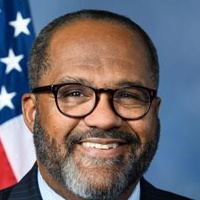
Troy Carter
Representative
LA-2
This resolution expresses support for designating September 2026 as "National Prostate Cancer Awareness Month." It highlights the critical importance of early screening and research in combating the disease, while encouraging public participation in awareness efforts to improve health outcomes for men across the United States.
New Resolution Targets September 2026 for National Prostate Cancer Awareness Month to Boost Early Detection
This resolution formally recognizes the impact of prostate cancer on American families and expresses support for designating September 2026 as National Prostate Cancer Awareness Month. It lays out a clear roadmap for public education, emphasizing that one in eight men will face this diagnosis in their lifetime. By highlighting that the survival rate jumps to nearly 100 percent when the disease is caught early versus only 32 percent when it spreads, the bill focuses on the life-saving potential of routine screenings like PSA blood tests and digital rectal exams. It specifically calls for increased research into cures and better access to healthcare services for detection and treatment.
The Numbers Behind the Diagnosis
The bill provides a sobering look at the statistics affecting men today, noting that over 3.1 million survivors are currently living in the U.S. For a typical office worker or tradesman over age 50, the risk begins to climb rapidly, yet 40 percent of new cases are actually diagnosed in men under age 65. If you have a father or brother who has dealt with prostate cancer, the bill points out that your risk more than doubles. By setting aside a dedicated month for awareness, the resolution aims to move these facts from medical journals to breakroom conversations, encouraging men to get screened before symptoms—which are often non-existent in early stages—even appear.
Addressing Healthcare Gaps and Veteran Support
A significant portion of the resolution focuses on the disparities in how this disease hits different communities. It notes that African-American men face a significantly higher incidence rate and more than double the mortality rate compared to White men. To combat these gaps, the bill supports ongoing efforts like the Department of Veterans Affairs' 21 Precision Oncology Centers of Excellence, which provide specialized care to veterans. For anyone navigating the VA system or living in a community with limited specialist access, this focus on "precision oncology" and improved healthcare quality is a push toward making high-level treatment more of a standard than a luxury.
A Call for Public Action
Beyond just government research, the resolution asks for a collective effort from the public and interest groups to promote awareness. It encourages the development of ceremonies and activities in 2026 to keep the momentum going. For the average person, this isn't just about a calendar date; it’s a nudge toward legislative support for better insurance coverage of screenings and a reminder to check in on the health of the men in their lives. By prioritizing research into the causes and a potential cure, the bill looks to reduce the long-term economic and emotional toll that late-stage diagnoses take on families and the workforce alike.