This resolution reaffirms the United States' commitment to a strong, enduring partnership with the Pacific Islands Forum to promote regional stability, economic prosperity, and disaster resilience.
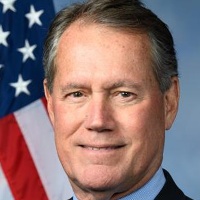
Ed Case
Representative
HI-1
This resolution reaffirms the United States' commitment to its enduring partnership with the Pacific Islands Forum (PIF) to promote regional stability, security, and prosperity. It recognizes the PIF as the premier organization for Pacific cooperation and pledges continued U.S. support for Pacific-led initiatives, including disaster resilience, economic development, and maritime security. The bill further encourages ongoing high-level diplomatic engagement to advance a shared vision for a peaceful and resilient Blue Pacific.
U.S. Reaffirms Pacific Partnership with $20 Million Resilience Pledge and New Security Commitments
This resolution formally recognizes the Pacific Islands Forum (PIF) as the heavy hitter in Pacific politics and commits the United States to a long-term, active role in the region. Covering an ocean area the size of Africa and home to 46.5 million people, the PIF is the primary platform for 18 member nations—including Australia, New Zealand, and Fiji—to handle everything from disaster response to ocean governance. The bill explicitly backs the "2050 Strategy for the Blue Pacific Continent," a roadmap for regional security and economic health, while reaffirming that the U.S. views itself as a Pacific nation with 1.7 million citizens of Native Hawaiian and Pacific Islander descent.
Strengthening the Safety Net
One of the most concrete parts of this bill is the recognition of a $20 million U.S. pledge to the Pacific Resilience Facility. Think of this as a community-led rainy day fund designed to help Pacific nations bounce back from natural disasters without having to wait for outside aid to trickle in. For someone working in the fishing industry or running a small business on an island, this means more reliable infrastructure and faster recovery when the next big storm hits. The resolution also points to increased cooperation in fisheries management and maritime security, which helps protect the local resources that these economies depend on.
Diplomatic Muscle and Security
The bill moves beyond just words by calling for a regular U.S.-Pacific Island Countries Summit. This isn't just about high-level handshakes; it’s a commitment to keep Pacific priorities—like maritime sovereignty and sustainable development—on the front burner of U.S. foreign policy. By aligning with the Boe Declaration on Regional Security, the U.S. is signaling that it will respect the "Pacific Way" of doing things, focusing on regional unity rather than just imposing outside interests. For everyday folks, this translates to a more stable geopolitical environment and more predictable trade routes in a massive part of the globe.
What This Means for the Long Haul
By backing the 2050 Strategy, the U.S. is essentially signing on to support Pacific-led goals for the next quarter-century. This includes everything from improving digital connectivity (better internet for remote areas) to people-centered development. While the bill is big on vision, the real-world impact will be felt in how these funds are distributed and whether the promised summits actually lead to new trade deals or security pacts. It’s a clear signal that the U.S. isn't just a visitor in the Pacific; it’s looking to be a permanent, reliable partner in keeping the "Blue Pacific" peaceful and prosperous.