This resolution designates August 25–31, 2026, as "Black Breastfeeding Week" to raise awareness of maternal and infant health disparities and promote policies that support breastfeeding in Black communities.
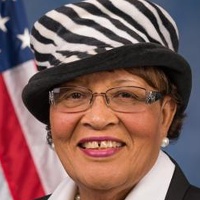
Alma Adams
Representative
NC-12
This resolution designates August 25 through August 31, 2026, as "Black Breastfeeding Week" to raise awareness of the critical role breastfeeding plays in improving maternal and infant health outcomes. It highlights the systemic barriers and racial disparities that contribute to higher infant mortality rates in Black communities. Furthermore, the bill calls on Congress to advance policies that support breastfeeding mothers and address the broader social and economic inequities impacting Black families.
Congress Moves to Designate Black Breastfeeding Week for August 2026: A Push for Health Equity and Workplace Reform
This resolution officially recognizes the week of August 25 through August 31, 2026, as "Black Breastfeeding Week." It’s not just a symbolic gesture; the bill lays out a stark data-driven case for why targeted awareness is a life-or-death issue. By highlighting that Black infants in some areas face mortality rates three times higher than white infants, the legislation connects breastfeeding directly to closing that gap. It specifically acknowledges that systemic barriers—not just personal choices—are what often prevent Black mothers from meeting health goals, citing a 74% initiation rate compared to 85% for white mothers.
The Workplace Reality Check
One of the most grounded parts of this bill is its focus on the daily grind. It points out a brutal statistic: one in four U.S. mothers is back at work within just two weeks of giving birth. For a retail manager or a construction worker, that timeline makes consistent breastfeeding nearly impossible. The bill explicitly calls out the fact that 60% of breastfeeding moms are forced to pump in "inadequate and unsanitary places" on the job. By citing these conditions, the resolution sets the stage for future requirements that would force employers to provide actual, dignified spaces for parents to express milk, rather than a bathroom stall or a storage closet.
A Prescription for Policy Change
Beyond the awareness week, the bill serves as a roadmap for what the government thinks "support" should actually look like. It argues that if medical breastfeeding recommendations were met, the U.S. economy would save roughly $13 billion a year in healthcare costs and premature deaths. To get there, the bill shifts the burden from the individual parent to the system, stating that Congress must advance policies for affordable healthcare and paid family leave. It’s a recognition that you can’t tell someone to prioritize health if they can’t afford the doctor or the time off to recover.
Addressing the Bigger Picture
The resolution doesn't stop at the doctor's office; it links health outcomes to broader community stability. It lists specific "community conditions" that Congress needs to tackle to make these health goals a reality, including housing, transportation equity, and a living wage. For a family juggling rising rent and unreliable bus routes, breastfeeding is often the first thing to go when life gets too hectic. By tying these issues together, the bill acknowledges that a healthy start for a baby depends as much on a parent’s zip code and paycheck as it does on medical advice.