This resolution initiates formal impeachment proceedings against President Donald John Trump for high crimes and misdemeanors.
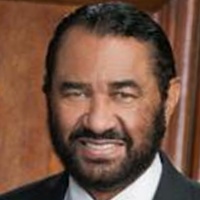
Al Green
Representative
TX-9
This resolution formally initiates the impeachment process against President Donald John Trump, charging him with high crimes and misdemeanors. It serves as the foundational legislative action to trigger a congressional inquiry into the President's conduct and potential removal from office.
House Impeachment Resolution Charges President Trump with Oath Violations and Misuse of Federal Agencies
This resolution formally initiates impeachment proceedings against Donald John Trump, charging him with violating his constitutional oath to 'preserve, protect, and defend the Constitution.' Unlike previous actions, this measure focuses on the President’s alleged transformation of federal immigration agencies into unaccountable forces. The resolution claims that by overseeing and defending what it defines as 'unjustified killings' by ICE and CBP, and by obstructing investigations into these incidents, the President has bypassed the judicial system and moved the country toward an authoritarian regime. It specifically defines these 'high crimes and misdemeanors' not just as legal violations, but as political injuries to society that threaten the survival of the democratic republic.
The Paramilitary Shift in Immigration Enforcement
The core of this resolution centers on the claim that U.S. Immigration and Customs Enforcement (ICE) and Customs and Border Protection (CBP) have been turned into 'militarized secret police forces.' According to the text, these agencies are operating with anonymity—wearing masks and refusing to provide badge numbers—while carrying out arrests without warrants. For a regular citizen, this translates to a breakdown of the Fourth Amendment protections against unreasonable searches. The bill cites specific instances, such as the shooting of Rene Nicole Good in Minneapolis and Alex Pretti in Houston, alleging that federal officers acted as 'judge, jury, prosecutor, and executioner' without a trial. By shielding these officers from local prosecution and withholding evidence from state investigators, the resolution argues the administration has effectively placed federal agents above the law.
Defining the Limits of Presidential Power
A major section of the resolution clarifies that 'high crimes and misdemeanors' are not limited to actual crimes found in a law book. Instead, it frames impeachment as a tool to address conduct that is 'grossly incompatible with self-governance.' This gives the House broad discretion to act whenever they believe the President’s behavior harms the public interest. The resolution also calls out the President’s signaling of pardons for those involved in the January 6th Capitol assault, arguing that this encourages law enforcement to believe they can violate federal laws with impunity. For the average worker or business owner, this represents a significant shift in how the 'rule of law' is applied, suggesting that federal oversight could be bypassed if it conflicts with executive goals.
Constitutional Collisions and Daily Liberties
The resolution highlights how these federal actions allegedly bleed into everyday civil liberties, including the suppression of free speech and the press. It points to the 'unconstitutional arrest' of pro-Palestinian students and academics as evidence that immigration enforcement is being used to silence dissent. Furthermore, the text notes that the administration has allegedly ignored over 15,000 court rulings since 2025, continuing to detain individuals despite judicial orders for their release. This creates a high level of uncertainty for the legal system; if the executive branch can choose which court orders to follow, the basic due process rights that protect every American—regardless of their immigration status—become increasingly fragile. The resolution concludes that these combined actions represent a sovereign threat that necessitates the President’s immediate removal from office.