This bill designates August 17, 2026, as "National Nonprofit Day" to honor the vital contributions and community impact of the nonprofit sector and its employees.
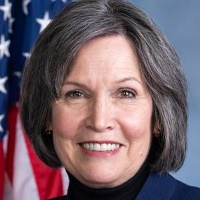
Betty McCollum
Representative
MN-4
This resolution supports designating August 17, 2026, as "National Nonprofit Day" to honor the vital contributions of the nonprofit sector. It recognizes the essential role nonprofits play in supporting communities, driving the economy, and partnering with the government to deliver public services.
National Nonprofit Day Resolution Sets August 17, 2026, to Honor 12 Million Workers and 5.6% of GDP Impact.
This resolution officially designates August 17, 2026, as "National Nonprofit Day," a formal nod to a sector that often operates behind the scenes but carries a massive load in our economy. Beyond just a date on the calendar, the bill lays out the hard data on why this sector matters: there are currently 1.3 million nonprofits in the U.S., making them the nation’s third-largest employer. By recognizing the 12 million people who work in these roles—from the person running your local food bank to the staff at community health clinics—the resolution highlights that these organizations aren't just charities; they are a cornerstone of the American workforce, representing 5.6 percent of our total Gross Domestic Product (GDP).
More Than Just a Thank You Note
The resolution shines a spotlight on the "small and community-based" nature of this sector, noting that 92 percent of nonprofits operate at the local level. For a typical family, this means the organizations being recognized are the ones providing after-school programs, maintaining local parks, or offering job training in the neighborhood. By citing these specifics, the bill acknowledges that when these organizations thrive, they act as "trusted community partners" that actually make federal programs run more efficiently. The text explicitly states that involving nonprofits often requires fewer taxpayer dollars to achieve government goals, suggesting that their local expertise provides a better return on investment for public funding than centralized bureaucracy might.
The Economic Engine in Your Backyard
While we often think of nonprofits in terms of volunteering, this bill frames them as essential economic drivers. For the 25-to-45-year-old professional, this is a reminder that the nonprofit sector is a major job market, employing roughly 1 in 10 private-sector workers. The resolution’s emphasis on the sector's contribution to the GDP and its role in "healing, sheltering, and educating" serves to validate nonprofit work as a high-impact career path. By formalizing this recognition for 2026, the resolution aims to boost morale for a workforce that often faces high burnout, while signaling to the public that these local entities are vital to both the social fabric and the bottom line of the national economy.