This resolution demands that the President and the Secretary of Health and Human Services provide the House of Representatives with all documentation regarding the recent freeze on federal social service payments to California, Colorado, Illinois, Minnesota, and New York.
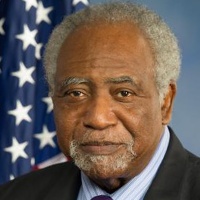
Danny Davis
Representative
IL-7
This resolution demands that the President and the Secretary of Health and Human Services provide the House of Representatives with all internal documents, communications, and records regarding the recent freeze on federal funding for California, Colorado, Illinois, Minnesota, and New York. It specifically seeks transparency on the decision-making process, legal justifications, and administrative actions taken by the Department of Health and Human Services concerning these state-based grant programs.
House Demands Answers on Social Service Payment Freeze for Five States: 14-Day Deadline Set for HHS Documents
This resolution is essentially a formal demand for the paper trail behind a recent freeze on federal funds. It gives the President and the Secretary of Health and Human Services (HHS) exactly 14 days to hand over all documents, emails, and contracts related to the decision to stop payments for major programs like Temporary Assistance for Needy Families (TANF) and the Child Care and Development Fund in California, Colorado, Illinois, Minnesota, and New York. The goal is to figure out exactly why these specific states were targeted and what legal justification was used to halt money that typically pays for things like childcare assistance and basic welfare benefits.
Peeking Behind the Curtain
The resolution digs into the specifics of a December 30, 2025, tweet from HHS Deputy Secretary Jim O’Neill that reportedly triggered the freeze. For a working parent in Chicago or a family in Denver relying on state-subsidized childcare, this inquiry is about finding out if their benefits were put at risk by a social media post or a formal policy shift. The House is asking for all communications between the White House and HHS regarding the selection of these five states, as well as any internal instructions given to the contractors who run the HHS Payment Management System. They want to know if this was a data-driven decision or something else entirely.
Tracking the Paper Trail
Beyond just the 'why,' the resolution asks for evidence of any alleged wrongdoing that might have prompted the freeze. It specifically requests copies of warning letters or referrals to the Office of the Inspector General sent to these states between January and December 2025 regarding the 'misuse of funds.' If you’re a taxpayer in one of these states, this part of the bill is looking to see if there were legitimate red flags or if the freeze came out of the blue. It also demands to know how HHS plans to use and store the extra data they’ve been asking grant recipients to submit since early 2025, raising questions about privacy and data security for those receiving state aid.
The Logistics of Accountability
Finally, the bill looks at the legal plumbing of the whole operation. It calls for all contracts and legal memos from the HHS Office of the General Counsel regarding how these states and tribal grantees have used the payment system since the start of 2025. By demanding these records within a two-week window, the resolution aims to force a quick explanation for a move that could disrupt the flow of billions of dollars. While it doesn't change the law itself, it sets the stage for a major reality check on how the executive branch manages the safety net that millions of people depend on for their daily needs.