This resolution expresses support for efforts to increase transparency and integrity within the Supplemental Nutrition Assistance Program (SNAP) by identifying and eliminating fraud, waste, and improper payments.
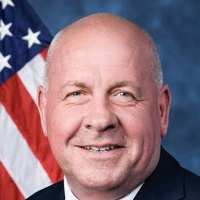
David Taylor
Representative
OH-2
This resolution expresses support for efforts to combat fraud, waste, and abuse within the Supplemental Nutrition Assistance Program (SNAP). It highlights the need for greater transparency and oversight to protect taxpayer dollars and ensure that resources remain available for the nation’s most vulnerable citizens.
SNAP Reform Resolution Targets $3 Billion in Fraud: Federal Push for Tighter Benefit Oversight
This resolution calls for a major overhaul of how the Supplemental Nutrition Assistance Program (SNAP) is managed, focusing on eliminating fraud and administrative errors. It points to significant data gaps, noting that while 29 states shared fraud data with the Department of Agriculture, 21 states did not, hindering a complete national picture. Based on the cooperating states, the findings are stark: 186,000 deceased individuals were still listed as receiving benefits, and over 440,000 recipients were using Social Security numbers that didn't match their identity. The resolution estimates that these fraudulent benefits account for nearly $3 billion that could be redirected to those who truly qualify and need the help.
Cleaning Up the Ledger
Beyond individual fraud, the resolution highlights massive systemic waste. The Government Accountability Office (GAO) flagged over $10 billion in improper payments for fiscal year 2025 alone, with the average state making errors on more than 10% of their payments. To put the scale in perspective, the Department of Agriculture spends about $235 million every single day on this program. The resolution argues that by tightening oversight, the government can protect taxpayer dollars and ensure the program’s long-term survival. It specifically points to the success of the Office of the Inspector General, which recovered $21 for every $1 invested in investigations over a recent six-month period.
The Impact on the Grocery Line
For the average person, this shift means the government is moving toward a "measure twice, cut once" approach to welfare. If you are a legitimate recipient, the goal is to ensure the program stays funded and available by cutting out the bad actors—like the individual mentioned in the resolution who allegedly stole $19.7 million from a child nutrition program in Missouri. However, increased integrity measures often mean more paperwork or stricter verification steps. For a busy parent or a worker juggling two jobs, this could potentially mean more time spent at a social services office or navigating more complex digital portals to prove eligibility and identity.
Transparency and Future Hurdles
The resolution sets the stage for future legislation that would mandate more transparency between state and federal agencies. By applauding current administration efforts to prosecute criminal actors, it signals a shift toward more aggressive enforcement. The challenge lies in the implementation: the goal is to stop the 247,000 people receiving benefits in multiple states simultaneously without creating a bureaucratic nightmare for the elderly or those with limited tech access. As these measures move forward, the focus will be on whether the government can successfully claw back that $3 billion without making it harder for honest, vulnerable families to put food on the table.