This resolution honors the life and legacy of human rights activist Father Stan and urges the Indian government to conduct an independent investigation into his arrest, imprisonment, and death in custody.
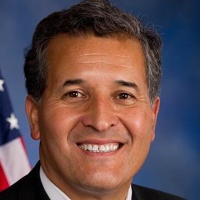
Juan Vargas
Representative
CA-52
This resolution honors the life and legacy of Father Stan, a Jesuit priest and human rights activist who dedicated his life to defending India’s marginalized Adivasi communities. It calls for an independent investigation into his 2021 death while in state custody and expresses concern regarding the misuse of anti-terror laws to target human rights defenders. Ultimately, the bill reaffirms the fundamental importance of freedom of expression and the protection of human rights advocates worldwide.
U.S. House Resolution Demands Justice for Father Stan: Calls for Independent Probe into Death of Indian Activist by 2026.
This resolution is a formal push by the U.S. House of Representatives to hold the Indian government accountable for the death of Father Stanislaus Lourduswamy, known as Father Stan. A Jesuit priest who spent decades fighting for the land rights of indigenous (Adivasi) communities, Father Stan died at 84 while in state custody in 2021. The bill doesn't just offer thoughts and prayers; it specifically calls for an independent investigation into his arrest and the 'fabricated evidence' used to keep him behind bars. With the fifth anniversary of his death approaching on July 5, 2026, this resolution marks a line in the sand regarding how the U.S. views the treatment of human rights defenders abroad.
Digital Frame-Ups and Legal Overreach
The meat of this bill focuses on some pretty alarming tech details. According to Section 1, forensic analysts from firms like Arsenal Consulting found that over 50 files were planted on Father Stan’s hard drive using malware before the police even seized it. Think of it like someone remotely breaking into your laptop to hide illegal files just to get you arrested. The resolution calls out the misuse of anti-terror and sedition laws—tools originally meant for national security—to silences people who are simply organizing for their community's rights. It’s a wake-up call for anyone working in advocacy: when laws are vague, your digital life can be weaponized against you.
Real-World Stakes for Global Communities
While this might seem like a world away, the bill connects Father Stan’s struggle to the daily lives of marginalized groups everywhere. By supporting the Adivasi and Dalit communities, the resolution highlights what happens when corporate or state interests want the land you live on. For a small farmer in India or an indigenous leader globally, this bill is a signal that the international community is watching how local governments use 'national security' as an excuse to bypass property rights and constitutional protections. It’s about whether a person can post on Facebook or lead a protest without ending up in a high-security prison during a pandemic.
Diplomacy vs. Action
Here is the reality check: this is a resolution, not a trade sanction. It 'encourages' India to investigate itself and 'urges' their Parliament to permanently scrap colonial-era sedition laws. For the Indian government, this is a major diplomatic headache and a public call-out on the world stage, but it lacks a 'hammer' to force compliance. The challenge is that without specific penalties attached, the impact depends entirely on whether the Indian government cares about its global reputation. For the activists on the ground, it provides a layer of international visibility that might make a local official think twice before clicking 'arrest,' but it doesn’t change the laws on the books overnight.