This resolution expresses support for designating June 28, 2026, as "Community is Stronger than Cancer Day" to celebrate community support for those affected by cancer.
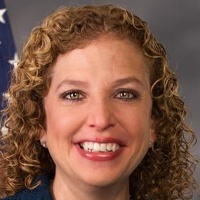
Debbie Wasserman Schultz
Representative
FL-25
This resolution expresses support for designating June 28, 2026, as "Community is Stronger than Cancer Day." The day aims to celebrate the community's role in supporting cancer patients, survivors, and caregivers. It encourages nationwide efforts to offer help, build compassionate communities, and remove barriers to cancer care.
New Resolution Proposes June 28, 2026, as 'Community is Stronger than Cancer Day' to Honor 18.6 Million Survivors
This resolution marks a formal effort to designate June 28, 2026, as 'Community is Stronger than Cancer Day.' It’s a move designed to shine a light on the massive scale of cancer’s impact in the U.S., specifically noting that by 2026, over 18.6 million Americans will have a history with the disease. Beyond just a date on the calendar, the resolution aims to officially recognize the 4.4 million unpaid caregivers—the friends, spouses, and children—who provide the backbone of support for those in treatment. By formalizing this day, the goal is to encourage local communities to build better support networks and actively work on removing the practical barriers that often make getting care a nightmare.
The Human Network Behind the Stats
While many health initiatives focus strictly on medical research, this resolution shifts the focus to the social infrastructure surrounding a diagnosis. It highlights that nearly 1 in 18 people are living with a history of cancer, a statistic that translates to someone in almost every office, job site, or neighborhood. The text specifically calls for the creation of 'compassionate communities,' which in the real world looks like neighbors coordinating meal trains for a coworker in chemo or local groups providing transportation for seniors who can’t drive themselves to oncology appointments. By citing a 2025 report on the 4.4 million caregivers, the resolution acknowledges that the burden of cancer isn't just carried by the patient, but by the people keeping their households running during the crisis.
Moving from Awareness to Action
The resolution doesn't just ask for a moment of silence; it explicitly encourages 'removing barriers to care.' For a trade worker without flexible hours or a small business owner juggling high-deductible insurance, those barriers are often financial or logistical. While this bill doesn't mandate new spending or insurance changes, it sets a federal tone that encourages local and national organizations to simplify the process of getting help. Since its grassroots start in 2021, this movement has grown to 200 locations, and this formal designation would provide a platform to scale those companionship and connection efforts to a national level, focusing on the 'inspiration and hope' that often gets lost in the clinical shuffle of hospital visits.