This resolution recognizes the critical role of pollinators in U.S. agriculture and ecosystems while expressing support for National Pollinator Week.
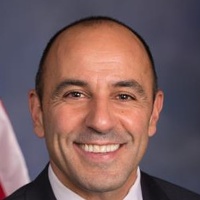
Jimmy Panetta
Representative
CA-19
This resolution recognizes the critical role pollinators play in U.S. agriculture and ecosystem health, noting their contribution of over $18 billion annually to crop production. It highlights the severe decline of many native pollinator species, such as the Western monarch butterfly. The House of Representatives officially expresses support for National Pollinator Week to encourage conservation and public education efforts.
House Resolution Spotlights $18 Billion Pollinator Impact: National Pollinator Week Gains Formal Support
This resolution formally recognizes the massive, often invisible role that native pollinators—like bees, butterflies, birds, bats, and beetles—play in keeping the U.S. economy and food supply afloat. It highlights that these species contribute over $18 billion annually to crop production and are essential for reproducing 80 percent of flowering plants. Beyond just helping farmers, the resolution notes that pollinators are the backbone of clean air, stable soil, and diverse wildlife habitats. By officially supporting "National Pollinator Week," the House is signaling a commitment to public education and conservation efforts to protect these critical biological workers.
The Buzz on the Bottom Line
The resolution points to a staggering decline in pollinator health that hits close to home for anyone who buys groceries. For instance, Western monarch butterfly populations have plummeted by 99 percent since the 1980s, dropping from 10 million to fewer than 2,000 in 2020. When these populations crash, it isn't just a loss for nature lovers; it creates a ripple effect for the 100-plus crops that rely on them. For a family at the supermarket or a farmer in the field, this decline threatens the stability of food webs and the prices we pay for fresh produce. The resolution explicitly links pollinator health to human health and ecological diversity, framing the issue as a matter of national stability rather than just a hobbyist's concern.
Planting Seeds for Future Policy
While this resolution doesn't immediately change regulations or hand out new grants, it sets a clear legislative intent to prioritize native pollinator species and their habitats. It specifically mentions that over 70 native species are currently listed as threatened or endangered, including several bumble bees and skipper butterflies. By encouraging nationwide ceremonies and conservation activities, the House is laying the groundwork for more robust environmental protections. For small business owners in landscaping or agriculture, and for families interested in local ecology, this serves as a formal nudge toward conservation-minded practices that could influence future local and federal land-use decisions.