This resolution urges the FCC to modernize the video content ratings system to provide parents with clear, consistent, and objective information across all platforms to make informed viewing decisions for their children.
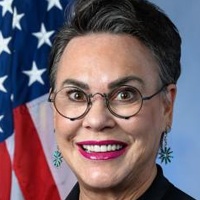
Harriet Hageman
Representative
WY
This resolution expresses the sense of the House that parents need clear, accurate, and useful information about video programming content across all platforms to make informed decisions for their children. It calls on the FCC to modernize the current ratings system to ensure consistency, specificity, and transparency across broadcast, cable, and streaming services. The bill emphasizes that any updated system must include meaningful input from parents and public advocates, not just industry representatives.
New Video Ratings Resolution Targets Streaming Content: House Calls for Detailed Content Labels by 2025.
The House of Representatives is pushing for a major overhaul of how movies and shows are rated, arguing that the old 'TV-G' and 'TV-MA' labels from the 90s don’t cut it in the era of Netflix and Disney+. This resolution calls on the FCC to modernize the ratings system so it works the same way across broadcast, cable, and streaming apps. The goal is to give parents 'neutral and objective' descriptions of what’s actually in a show before they hit play, specifically highlighting that parents need better tools to identify themes like gender identity, non-binary, and transgender content in children's programming.
Refreshing the Remote Controls
Under this proposal, the FCC would be tasked with creating a framework that moves beyond vague age ratings to provide specific details about content. For a parent sitting down on a Friday night, this could mean seeing a clear list of themes—like violence, language, or specific social topics—rather than just a 'TV-14' icon in the corner of the screen. The resolution insists that these descriptions stay objective, meaning they should tell you what is in the show without telling you whether it’s 'good' or 'bad,' leaving that final call to the person holding the remote. It also suggests that if the FCC doesn't have the legal teeth to force streamers to comply, Congress should step in with new laws to make it happen.
Who’s Calling the Shots?
One of the biggest shifts here is who gets to decide what a rating looks like. Currently, the industry largely polices itself, but this resolution demands that any oversight body include 'meaningful representation' from parents, child advocates, and public-interest groups. For a family in the suburbs or a busy parent working two jobs, this is intended to ensure that the people setting the standards actually share their concerns, not just the interests of big Hollywood studios. However, the push for 'neutrality' is a bit of a gray area. What one person considers a neutral description of a 'gender-identity theme,' another might see as an unnecessary warning label, which could lead to some heated debates about how shows are categorized.
The Impact on Creators and Communities
While the focus is on helping parents, this change would create a new set of hurdles for content creators and streaming platforms. Independent filmmakers or writers who include diverse characters might find their work flagged with specific labels that didn't exist a few years ago, which could affect how their shows are promoted or discovered. There is also a concern that by specifically calling out 'family values' as a metric, the system could inadvertently sideline content that doesn't fit a traditional mold. For the average viewer, this means your streaming library might soon look a lot more like a nutrition label—full of data points designed to help you decide what’s healthy for your household, but potentially changing how stories are told in the process.