This resolution honors the Kansas City area's dedication and hard work in preparing to host the 2026 FIFA World Cup.
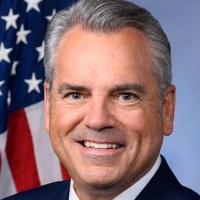
Mark Alford
Representative
MO-4
This bill recognizes Kansas City's selection as a host city for the 2026 FIFA World Cup and commends the tremendous effort by the surrounding communities in Missouri and Kansas to prepare for the event. It highlights the city's dedication in creating an outstanding environment for this global tournament. The legislation specifically honors the hard work of first responders, public works employees, volunteers, and officials.
Kansas City Recognized as 2026 World Cup Host: House Resolution Applauds Local Prep for 104-Match Tournament.
The House of Representatives is officially putting Kansas City in the spotlight, recognizing the metro area’s selection as a host city for the 2026 FIFA World Cup. This isn’t just about sports; it’s a formal acknowledgment of the massive logistical lift required to host the largest tournament in history. With 48 teams and 104 matches spread across three countries, the resolution highlights Kansas City as the smallest of the 11 U.S. host cities, effectively cementing its reputation as the "Soccer Capital of America" due to its central location and existing infrastructure.
More Than Just a Game
This resolution specifically commends the boots-on-the-ground workers making the event possible. It calls out first responders, public works employees, and transportation officials who are tasked with keeping the city safe and accessible for an unprecedented influx of international visitors. For local residents, this means the federal government is recognizing the "extraordinary effort" required to prep Missouri and Kansas communities for the global stage. It’s a nod to the fact that you don’t need to be a coastal megacity like New York or LA to handle a world-class event, provided the local workforce and small businesses are up to the task.
The Heartland’s Global Debut
Beyond the applause, the bill affirms a commitment to hosting global events in the American heartland. By specifically mentioning the role of small businesses, schools, and volunteers, the resolution frames the World Cup as a community-wide economic and social driver rather than just a corporate stadium event. While the resolution itself doesn't authorize new spending, it serves as a formal validation of the regional coordination between Missouri and Kansas, signaling that the federal government views this mid-sized metro’s preparation as a blueprint for future international hosting duties.