This measure sets the rules for the House to consider multiple bills and a resolution focused on establishing fraud prevention measures, pausing federal payments, condemning government fraud, and considering a reconciliation bill.
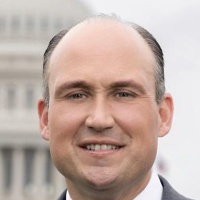
Nicholas Langworthy
Representative
NY-23
This procedural action sets the stage for the House to consider multiple bills aimed at combating government fraud and improving program integrity. Key measures include establishing new fraud prevention functions within the Treasury and creating a permanent governmentwide Inspector General for Fraud, Accountability, and Recovery. The process also allows for debate on legislation to pause and segment federal payments and a resolution condemning fraud against the U.S. Government.
| Party | Total Votes | Yes | No | Did Not Vote |
|---|---|---|---|---|
Republican | 218 | 213 | 0 | 5 |
Democrat | 212 | 0 | 211 | 1 |
House Sets Fast-Track Rules for New Fraud Prevention and Payment Control Bills
Congress is moving to streamline how it handles a package of bills focused on government accountability and fiscal oversight. This procedural resolution sets the ground rules for debating and voting on several key initiatives, including the creation of a permanent governmentwide Inspector General for Fraud, Accountability, and Recovery (H.R. 8312) and new authority for the Treasury to pause or segment federal payments (H.R. 8464). By waiving standard procedural hurdles, the House is effectively clearing the tracks for these bills to move toward a final vote with minimal delay.
The Fast-Track Playbook
To keep things moving, this resolution limits debate on each major bill to just one hour, split evenly between the leaders of the relevant committees. It also automatically adopts specific "substitute" versions of the bills—essentially the polished drafts from the Oversight and Government Reform Committee—without requiring them to be read aloud on the floor. For the average person, this means the 'fine print' of how the government tracks your tax dollars or verifies eligibility for federal programs is being locked in quickly. While this efficiency helps move policy forward, it also limits the window for last-minute changes or deep-dive questioning of the specific mechanics.
Guarding the Vault
A major piece of this legislative package involves tightening the screws on how federal money is sent out. The resolution paves the way for a vote on H. Res. 1335, which pushes for stricter verification of eligibility before any government payment is made. Imagine a small business owner applying for a federal grant; under these proposed reforms, the 'verify first, pay later' approach would become the standard to prevent the kind of fraud seen in recent years. The rules also set the stage for debating a reconciliation bill, a powerful legislative tool that can bypass certain Senate hurdles to address budget and spending issues.
What’s at Stake for You
The immediate impact of these rules is purely internal to how Congress operates, but the bills they unlock could change your interaction with federal agencies. If you’re a contractor or someone receiving federal benefits, the 'payment pausing' authority (H.R. 8464) means the Treasury could have more power to hold up funds if they suspect something is off. By streamlining the debate process now, the House is signaling a high-speed push toward a more aggressive stance on fraud prevention and fiscal management, prioritizing speed and committee-led versions of the law over lengthy floor amendments.