This resolution sets the expedited floor procedures for considering four separate bills concerning agriculture appropriations, child care funding compliance, FAFSA identity fraud checks, and reforms to the TANF program.
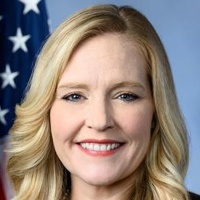
Erin Houchin
Representative
IN-9
This resolution sets the rules for the House to consider four separate bills concerning appropriations for Agriculture and related agencies, withholding child care funds from noncompliant states, strengthening FAFSA identity fraud checks, and reforming the TANF block grant program. It establishes strict debate limits and amendment procedures for each of the four bills to expedite their passage. The rules waive most procedural objections to ensure these specific legislative items can be brought to a vote quickly.
| Party | Total Votes | Yes | No | Did Not Vote |
|---|---|---|---|---|
Republican | 218 | 211 | 0 | 7 |
Democrat | 212 | 0 | 207 | 5 |
House Sets Fast-Track Rules for 2027 Food Funding and New Fraud Checks on Student Aid and Welfare
Think of this resolution as the 'ground rules' for a massive four-game tournament in the House of Representatives. It doesn't pass the laws themselves, but it dictates exactly how Congress will debate and vote on four major pieces of legislation: the 2027 Agriculture and FDA budget, stricter child care funding rules, FAFSA fraud detection, and a overhaul of the TANF (welfare) program. By 'waiving points of order,' the House is essentially agreeing to ignore certain procedural red flags that might normally slow these bills down, moving them to the front of the line for a quick vote.
The Fast-Track Playbook
For the massive Agriculture and FDA funding bill (H.R. 8646), the rules are strict. Debate is capped at one hour, and most amendments—the changes individual lawmakers want to make—are restricted to a pre-approved list. This means if you’re a farmer waiting on rural development grants or a small business owner navigating FDA regulations, the final version of this funding will be decided quickly, with very little room for last-minute adjustments on the House floor. The resolution even allows 'bundled' amendments, where several changes are voted on as a single package, making it harder to pick apart specific spending items.
Guardrails on Student Aid and Child Care
The resolution also clears the path for H.R. 7892, which would require the Secretary of Education to use identity fraud detection systems for every single FAFSA application. For students and parents, this could mean more security against identity theft, but it also introduces a new layer of automated scrutiny that could potentially delay financial aid if the system flags a 'reasonable suspicion' of fraud. Similarly, the rules set up a vote on H.R. 7726, which gives the federal government the power to pull funding from states that don't follow child care block grant rules. If you're a parent relying on state-subsidized child care, the stakes are high: this bill aims for accountability, but the 'withholding funds' provision could create local budget gaps if your state doesn't stay in line.
Tightening the Welfare Safety Net
Finally, the House is prepping to vote on H.R. 8872, a bill targeting the Temporary Assistance for Needy Families (TANF) program. The goal here is 'program integrity'—code for making sure money goes strictly to low-income families and isn't lost to 'improper payments' or fraud. For families currently receiving these benefits, the bill would require states to track every dollar more closely and meet new federal goals for eliminating errors. While this is designed to save taxpayer money and ensure help reaches the right people, the resolution ensures this complex change to the social safety net will be debated for just one hour before a final 'yes or no' vote.