This bill supports designating May 2026 as Borderline Personality Disorder Awareness Month to promote education, reduce stigma, and improve access to care for this treatable condition.
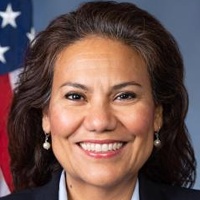
Veronica Escobar
Representative
TX-16
This resolution supports the designation of May 2026 as Borderline Personality Disorder Awareness Month. It recognizes BPD as a serious but treatable condition affecting millions, highlighting the need for increased awareness, research funding, and accessible care. The bill aims to combat stigma and promote evidence-based support for those living with BPD.
House Resolution Designates May 2026 as Borderline Personality Disorder Awareness Month to Combat Stigma and Expand Treatment Access
This resolution formally recognizes May 2026 as Borderline Personality Disorder (BPD) Awareness Month. It is a direct move to pull a frequently misunderstood mental health condition out of the shadows. By putting the weight of the House of Representatives behind this designation, the resolution aims to spark a national conversation about BPD, which affects between 5.5 and 13.3 million Americans. The goal is simple but ambitious: more research funding, better provider education, and a massive reduction in the stigma that often prevents people from getting help.
Breaking the Mental Health Taboo
BPD is often a heavy lift for families and the healthcare system alike. The resolution points out that while BPD affects about 1.6% to 3.9% of the general population, those individuals make up over 20% of inpatient mental health patients. For a person working a 9-to-5 or managing a household, BPD can manifest as intense emotional swings and relationship instability that make daily life feel like a minefield. By highlighting that 65% to 70% of people with BPD attempt suicide, the resolution underscores that this isn't just about 'moodiness'—it’s a high-stakes public health issue that requires serious attention and specialized programming.
Clearing the Path to Care
One of the biggest hurdles identified in the text is the 'chronic invalidation' and stigma found even within the medical community. If you’ve ever felt dismissed by a doctor, you know how frustrating that is; for someone with BPD, that bias can lead to misdiagnosis or being denied effective therapy like Dialectical Behavior Therapy (DBT). The resolution advocates for better insurance coverage and more specialized training for providers. For a young professional or a trade worker struggling with these symptoms, this could eventually mean shorter wait times for specialists and more clinics that actually understand how to treat the condition rather than just managing the symptoms.
A Roadmap for Recovery
Perhaps the most important part of this resolution is its focus on the 'hopeful outlook.' It’s not a life sentence; the text explicitly states that with evidence-based support, many people stop meeting the diagnostic criteria entirely. By pushing for early intervention and including the voices of those with 'lived experience' in future policy, the resolution aims to create a system where people can lead fulfilling lives, sustain careers, and maintain stable families. It’s a call to treat mental health with the same urgency and scientific rigor as physical health, ensuring that the millions of Americans affected by BPD aren't left to navigate a broken system alone.