This bill denounces all forms of corruption, citing deep public concern over money in politics and self-serving actions that erode trust in democratic institutions.
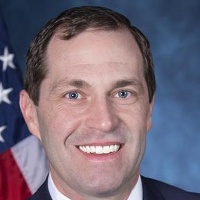
Jason Crow
Representative
CO-6
This bill expresses deep concern over widespread government corruption and the undue influence of money in politics, citing public polling that shows a critical erosion of trust in democratic institutions. It specifically denounces practices like self-dealing, conflicts of interest, and using public office for personal enrichment. Ultimately, the resolution calls for an end to policies that favor special interests over the American public.
New Resolution Denounces Political Corruption: Targets Insider Trading and 'Pay-to-Play' Pardons.
This resolution serves as a formal declaration against the various ways money and power can warp the democratic process. It explicitly lists and condemns practices like insider trading by officials, the 'revolving door' between government and lobbying, and the use of public office for personal enrichment through foreign deals or cryptocurrency sales. By citing data that only 17 percent of Americans trust the federal government, the bill frames corruption not just as a legal issue, but as a critical threat to national stability and the fair representation of everyday citizens.
The Price of a Seat at the Table
The resolution takes a hard look at how 'dark money' and unlimited campaign spending can drown out the average voter. For a small business owner or a local trade worker, this means their concerns about taxes or local infrastructure might take a backseat to a wealthy donor who can afford to buy influence. Specifically, the text highlights the danger of 'quid pro quo' arrangements—where favorable policies or tax incentives are swapped for massive donations. It suggests that when political contributions can essentially 'cancel out justice' through strategic pardons for donors, the legal system stops being a level playing field for everyone else.
Closing the Revolving Door
A major focus of the bill is the 'revolving door'—the practice where government officials jump into high-paying private sector roles that directly benefit from their previous government connections. This creates a conflict of interest that can lead to regulations being written by the very industries they are supposed to oversee. For the average person, this can manifest as higher costs or lower safety standards because the 'referee' is actually playing for the other team. The resolution also calls out specific modern enrichment methods, like foreign licensing deals and gifts, which it argues prioritize special interests over the public good.
Words vs. Action
While the resolution is a strong symbolic stance, it is important to note what it doesn't do: it doesn't create new criminal penalties or set up an enforcement agency. It functions more like a 'line in the sand,' defining what behaviors are unacceptable. Because terms like 'special interests' can be subjective, there is a risk that such language could be used as a political tool rather than a neutral standard. However, by putting these specific grievances—like cryptocurrency self-dealing and the sale of pardons—into the official record, it sets a benchmark that citizens can use to hold their representatives accountable to their original oath of office.