This resolution supports designating May 2026 as American Stroke Month to encourage public awareness of stroke prevention, recognition of symptoms, and support for recovery efforts.
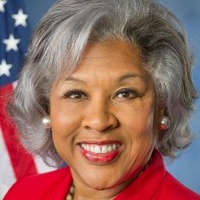
Joyce Beatty
Representative
OH-3
This resolution expresses support for designating May 2026 as "American Stroke Month." It encourages the public to learn the warning signs of stroke using the B.E.F.A.S.T. acronym. Furthermore, it promotes understanding personal risk factors and taking action to improve stroke prevention, response, and recovery efforts nationwide.
New Resolution Designates May 2026 as American Stroke Month to Boost Rapid Response Education
This resolution officially puts the weight of the federal government behind designating May 2026 as 'American Stroke Month.' It focuses on a clear, life-saving goal: getting more people to recognize the signs of a stroke and act immediately. By highlighting the American Stroke Association’s 'Together to End Stroke' initiative, the bill aims to tackle the fact that stroke remains the fourth-leading cause of death in the U.S., affecting roughly 800,000 people every year.
The B.E.F.A.S.T. Strategy
The core of this resolution is the promotion of the B.E.F.A.S.T. acronym, a simple toolkit for real-world emergencies. It breaks down symptoms into easy-to-remember checks: Balance loss, Eye changes, Face drooping, Arm weakness, and Speech difficulty. The final 'T' stands for Time—specifically, the time to call 911. For a manager at a retail store or a parent at a soccer game, knowing these signs can be the difference between a full recovery and long-term disability for someone nearby. The bill emphasizes that quick action is the primary way to reduce the devastating long-term impacts of a stroke.
Managing the Pressure
Beyond emergency response, the resolution zeroes in on prevention by identifying high blood pressure as the leading risk factor. It encourages a straightforward approach to health management: eating better, moving more, and ditching tobacco and nicotine. For the average worker juggling a busy schedule, the bill frames these not just as 'lifestyle choices,' but as critical medical preventative measures. It also specifically notes that having one stroke significantly increases the risk of another, urging those who have already experienced one to work closely with healthcare pros to manage their personal risk factors.
Community-Wide Recovery
This isn't just about individual health; the resolution calls for a community-wide shift in how we handle stroke prevention and recovery. By raising awareness, the goal is to create a more informed public that can support survivors through the long road of rehabilitation. Whether you are a small business owner looking out for your team or a neighbor checking in on a friend, the resolution suggests that better education leads to better outcomes for the entire community. It’s a low-cost, high-impact push to ensure that when a stroke happens, the people around the victim know exactly what to do.