This resolution calls on the Nigerian government to ensure Mazi Nnamdi Kanu's legal proceedings adhere strictly to constitutional obligations and international human rights standards.
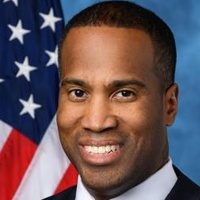
John James
Representative
MI-10
This resolution calls on the Government of Nigeria to ensure all legal proceedings involving Mazi Nnamdi Kanu fully comply with Nigeria's constitutional obligations and international human rights commitments. It urges Nigeria to consider the UN Working Group's findings regarding his detention and ensure he receives due process, medical care, and humane treatment. The resolution also encourages the U.S. Secretary of State to engage with Nigeria on these human rights concerns.
U.S. Resolution Calls for Nigeria to Uphold Human Rights in Mazi Nnamdi Kanu Case
This U.S. House Resolution is all about shining a spotlight on the legal proceedings involving Mazi Nnamdi Kanu in Nigeria. Basically, it's a formal call from the U.S. government urging Nigeria to make sure everything in Kanu's case—from his apprehension to his current detention—is handled according to their own constitution and international human rights laws. Think of it as a diplomatic nudge to ensure fair play on the global stage.
The Backstory: Why This Matters
The resolution lays out some serious concerns that have been floating around. It specifically mentions Kanu's apprehension in Nairobi, Kenya, back in June 2021, and his subsequent transfer to Nigeria. For a lot of folks, this whole situation has raised red flags about whether proper legal standards and international rules were followed. The United Nations Working Group on Arbitrary Detention even weighed in on July 20, 2022, stating that Kanu's detention doesn't meet international human rights obligations and called for his release. Courts in Kenya have also had their say on the legality of the transfer. Basically, a lot of eyes are on this case, and human rights organizations have been vocal about due process, access to legal help, and the conditions of his detention.
What the Resolution Asks For
So, what's the ask? First off, the resolution calls on the Government of Nigeria to ensure that all legal proceedings involving Mazi Nnamdi Kanu follow Nigeria’s constitutional obligations and international human rights commitments. This means making sure he gets a fair shake in court, just like anyone else. Second, it urges the Nigerian government to carefully consider the findings of the United Nations Working Group on Arbitrary Detention and take appropriate steps consistent with those findings. That UN group said his detention was a problem, so the U.S. is saying, "Hey, listen to them." Third, it encourages Nigeria to provide Kanu with consistent access to legal counsel, necessary medical care, and humane conditions of detention. This is about basic human dignity—making sure he can talk to his lawyers, get medical help if he needs it, and isn't held in inhumane conditions. Finally, it encourages the Secretary of State to engage with the Nigerian government about concerns related to due process, detention conditions, and respect for fundamental rights, reinforcing the U.S.'s commitment to human rights and the rule of law globally.