This resolution expresses the sense of Congress that the U.S. must act to end child poverty by making permanent key investments like the expanded Child Tax Credit and ensuring all children have access to essential resources.
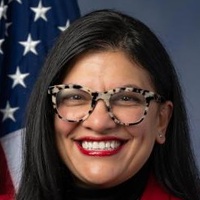
Rashida Tlaib
Representative
MI-12
This resolution expresses the sense of Congress that the United States must take immediate action to end child poverty, citing alarming national rates and the proven success of past federal investments. It calls for establishing a national goal to reduce child poverty and supports key policy changes, including making the expanded Child Tax Credit permanent. The bill advocates for increased federal spending on children, universal access to quality early education, and equitable K-12 public schooling for every child.
Congress Aims to Tackle Child Poverty with Permanent Child Tax Credit and Increased Spending
Alright, let's talk about something that hits close to home for a lot of us: child poverty. A new resolution from Congress is basically saying, "Enough is enough, we need to fix this." It's not a law yet, but it's a strong statement of intent, laying out a roadmap for how they think we should tackle this issue.
The Stark Reality: More Kids in Poverty Than You Think
This resolution kicks off by dropping some pretty heavy numbers. It points out that over 9.7 million kids in the U.S. were living in poverty in 2024. That's a whopping 154% jump from 2021, which, let's be real, is a massive increase. The big reason? The expanded Child Tax Credit that helped so many families in 2021 expired. When that went away, 4 million kids got pushed back into poverty almost overnight in January 2022, and food insecurity went up by 12%. Imagine trying to make ends meet for your family, and then a key support just vanishes. That's the reality for millions.
Who's Feeling the Pinch the Most?
The resolution doesn't shy away from the tough facts about who's most affected. It highlights that Black, Hispanic, Asian, and American Indian/Alaska Native children face poverty at about three times the rate of White, non-Hispanic children. If you're a parent in an immigrant family or living in places like Puerto Rico, you're also more likely to struggle because of barriers to accessing federal benefits. This isn't just about income; it's about basic necessities. The resolution connects poverty to hunger, lack of healthcare, unsafe housing, and worse educational outcomes. It's a domino effect that impacts a child's entire future, and ultimately, our economy.
The Path Forward: What Congress Wants to Do
So, what's the plan? The resolution calls for some pretty significant changes. First up, it strongly supports making those 2021 Child Tax Credit investments permanent. For a working parent, that credit could mean the difference between paying for groceries or falling behind on rent. It also pushes for increasing federal spending on programs for children, recognizing that we're currently underinvesting in our youngest generation. Think about it: federal spending on children actually declined for the fourth straight year in 2025, hitting a low of 8.57% of total spending.
Beyond direct financial help, the resolution emphasizes the importance of education. It backs ensuring all children have access to high-quality, affordable learning opportunities, from childcare and pre-K to Head Start. For families juggling work and childcare, accessible and affordable options are a game-changer. It also guarantees accessible, diverse, safe, high-quality, and equitable public education from pre-K through 12th grade for all kids, including protecting and expanding resources for students with disabilities. Finally, it encourages states and local governments to get on board and adopt similar policies. It's a call to action, aiming to build the political will to make sure no child in the U.S. has to grow up in poverty.