This resolution expresses the Senate and House's support for strengthening measures to combat fraud, waste, and abuse in federal health care programs like Medicare and Medicaid to protect taxpayer dollars and ensure program sustainability.
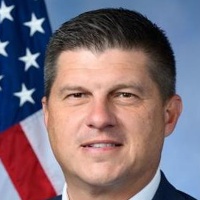
Brad Finstad
Representative
MN-1
This resolution expresses strong support for continuing efforts to combat fraud, waste, and abuse within Medicare, Medicaid, and other federal health care programs. It highlights the significant financial impact of improper payments and recognizes past enforcement actions aimed at protecting taxpayer dollars. The bill advocates for strengthened oversight, enhanced data-driven prevention methods, and coordinated enforcement to ensure the long-term sustainability of these vital safety net programs.
Congress Backs Stronger Fraud Fight in Medicare & Medicaid: Billions at Stake
Alright, let's talk about some serious money and how it impacts programs many of us, or our parents, rely on. This resolution from both the Senate and House isn't about creating a new law with fresh mandates, but it's a big thumbs-up to continuing the fight against fraud, waste, and abuse in federal healthcare programs like Medicare and Medicaid. Think of it as Congress saying, 'Keep up the good work, we see you, and this is important.'
The Billions Bleeding Away
Why is this even a topic? Because we're talking about eye-watering sums of money. The resolution points out that in fiscal year 2023 alone, the Department of Health and Human Services estimated over $100 billion in improper payments in Medicare and Medicaid. To put that in perspective, that's nearly half of all government-wide improper payments for that year. We're not just talking pennies here; we're talking about enough money to make a real dent in other areas or simply keep these vital programs healthier for longer. For example, in fiscal year 2025, Medicare fee-for-service saw improper payment rates of 6.55% (almost $29 billion), while Medicaid's rate was over 6% (more than $37 billion). A huge chunk of that Medicaid issue—around 77%—was simply due to insufficient paperwork. It's like your mechanic forgetting to write down why they charged you for that new part; it just doesn't fly.
Cracking Down on Cheaters
This resolution isn't just about pointing fingers; it's about acknowledging that work is already being done and needs to continue. It highlights some pretty impressive enforcement actions. For instance, in 2025, the Centers for Medicare & Medicaid Services (CMS) put the brakes on roughly $5.7 billion in suspected fraudulent Medicare payments. They also denied over 122,000 claims and kicked out nearly 5,600 providers from billing. Plus, they referred 372 fraud cases, totaling about $3.7 billion in billings, to law enforcement. And get this: the resolution mentions the largest healthcare fraud bust in U.S. history from June 2025, which involved alleged schemes worth around $14.6 billion and charges against 324 people. This isn't just about catching the small fry; it's about going after the big fish who are trying to game the system.
Smart Tech for a Smarter Fight
One of the cooler parts of this resolution is its support for a shift in strategy. Historically, the government sometimes played 'pay and chase'—pay the claim, then try to get the money back if it was fraudulent. This resolution applauds moving towards proactive fraud prevention. This means using modern tools like predictive analytics and artificial intelligence (AI) to spot potential fraud before it happens. Think of it like your bank's fraud detection system flagging a suspicious transaction before it clears. It also references Executive Order 14395, signed in March 2026, which set up a task force, chaired by the Vice President, specifically to coordinate a government-wide strategy against fraud in federal benefit programs. This means different agencies are supposed to be talking to each other and working together, which, let's be honest, is always a good thing when it comes to tackling big problems.
Why This Matters to You
So, what's the takeaway for you, the busy person juggling life? This resolution is basically a congressional nod to protecting the healthcare safety net. When billions of dollars are lost to fraud, waste, and abuse, it means less money is available for actual patient care, or it puts more pressure on the system, which can eventually impact everyone through higher costs or reduced services. By supporting stronger program integrity measures, enhanced oversight, and coordinated enforcement, this resolution aims to make sure Medicare, Medicaid, and other federal health programs are there for current beneficiaries and sustainable for future generations. It's about making sure your tax dollars are actually going where they're supposed to and that these critical programs remain strong.