This resolution expresses the House's sense that small business owners seeking financing deserve fundamental rights, including transparent pricing, fair treatment, and responsible lending practices.
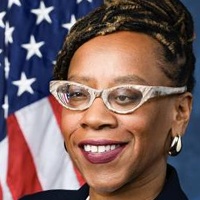
Lateefah Simon
Representative
CA-12
This resolution expresses the sense of the House that small business owners seeking financing deserve fundamental rights. These rights include transparent pricing, responsible underwriting, fair treatment from all parties involved, and protection against predatory lending practices. The bill aims to guide future legislation to better support the growth and stability of America's small businesses.
House Resolution Champions Small Business Borrowers: A New Era for Financing Rights?
Ever felt like you needed a legal dictionary just to understand a loan agreement? Or worried about getting caught in a financial trap? If you're a small business owner, this new House resolution aims to make those worries a lot less common. It's basically the House of Representatives saying, "Hey, small businesses deserve a square deal when they're looking for money." This isn't a new law yet, but it's a strong statement about what Congress thinks should guide future legislation.
Your Money, Your Rights: The Lowdown
This resolution, though not a law, lays out some pretty fundamental rights for the over 33 million small businesses that are the backbone of our economy. Think of it as a blueprint for how things should work. First up, transparent pricing and terms. No more deciphering hieroglyphics; you should get clear, written terms and costs that make it easy to compare different loan offers. This means you can actually see what you're signing up for and compare apples to apples, which is huge when you're trying to grow your business.
Another big one is protection from what they call "financing products that trap the business in a cycle of repeated reborrowing." Basically, it's a push to avoid those loans that sound good upfront but end up costing you an arm and a leg, forcing you to take out more loans just to pay off the old ones. The resolution also calls for responsible underwriting, meaning lenders should actually look at your business's ability to succeed and repay, not just throw a dart at a board. This could mean more stable, sustainable growth for businesses, from the local coffee shop to the construction crew.
Fair Play and Honest Talk
Beyond just the numbers, this resolution emphasizes fair treatment across the board. That means honest, transparent communication from everyone involved—lenders, brokers, and even those lead generators who connect you with financing. No more shady dealings or hidden fees; you've got a right to know all the ins and outs, including potential conflicts of interest. This is a game-changer for folks who've felt like they're navigating a maze just to get a business loan.
It also highlights fair and equal treatment when you're applying for a loan, echoing protections already in place under the Equal Credit Opportunity Act. And if things go sideways, the resolution states you deserve fair and respectful treatment throughout the collections process, similar to the protections consumers get under the Fair Debt Collection Practices Act. That's a relief for any business owner who's ever worried about aggressive tactics. Finally, it takes a stand against "confessions of judgment," which are those tricky legal agreements where you essentially agree to lose any dispute before it even starts. This resolution says, "Nope, that's not fair."
Why This Matters for Your Wallet and Your Work
So, why should you care about a resolution that isn't even a law? Because it signals where Congress's head is at. With small businesses creating 61% of net new jobs since 1995 and 86% of them using financing regularly, these principles could shape future laws and regulations that directly impact your ability to get a loan, expand your operations, and hire more people. It's about leveling the playing field and making sure that when you're hustling to build your dream, the financial system is set up to help you, not trip you up. It's a nod to the idea that a healthy economy starts with healthy, well-supported small businesses.