This bill prohibits Members of the House of Representatives from engaging in certain transactions related to prediction markets.
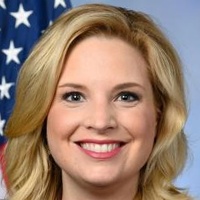
Ashley Hinson
Representative
IA-2
This bill amends House Rules to prohibit Members, officers, and employees from participating in prediction markets that involve betting on the outcome of specific events. It specifically bans entering into contracts or transactions dependent on whether an event occurs. Furthermore, the House expresses its desire for the executive and judicial branches to adopt similar restrictions.
House Members Face New Ban on Prediction Market Trading: Ethics Over Futures
Alright, let's talk about something that might sound a bit niche but actually has some pretty big implications for how we trust our elected officials. The House of Representatives is looking to update its rulebook, specifically Rule XXIII, to put a stop to something called 'prediction market trading' for its members, delegates, the resident commissioner, and even their staff.
No More Crystal Ball Bets
So, what exactly does this bill, a resolution amending House rules, mean by 'prediction market trading'? Basically, it bans these folks from entering into any agreements, contracts, or transactions that are essentially bets on whether a specific event will happen, won't happen, or to what extent it occurs. Think of it like this: if you could bet on a future policy decision or a major economic report based on insider info, that's the kind of thing this bill is trying to shut down. The only exception here is standard insurance policies, which, let's be real, are a whole different ballgame and usually involve you having a legitimate stake in what you're insuring. This is all laid out in Section 1, which clearly states the prohibition on these types of agreements, especially those involving an 'excluded commodity' as defined by the Commodity Exchange Act.
Why the Ban? Keeping It Clean
At its core, this move is about tightening up ethical standards. Imagine a scenario where someone with access to sensitive, non-public information could profit by betting on the outcome of a legislative decision they might even influence. That's a huge conflict of interest, right? This new rule aims to remove that temptation entirely, ensuring that our representatives are focused on serving the public, not their personal portfolios through speculative trading. For everyday folks, this means a little more peace of mind that decisions coming out of the House aren't being swayed by someone's financial wager.
A Nudge to Other Branches
Interestingly, Section 2 of this resolution isn't just about the House itself. It includes a "Sense of the House of Representatives," which is basically the House saying, "Hey, executive and judicial branches, you guys should probably look into adopting similar rules." It's a clear signal that the House believes this kind of ethical safeguard isn't just good for them, but for the entire federal government. It’s like when one kid in the family gets a new chore, and then suddenly everyone else is expected to chip in too. This could set a precedent for broader ethical reforms across government, which is a win for public trust across the board.
What It Means for You (and Them)
For most of us, this bill won't change our daily routine. We're not usually in the business of betting on legislative outcomes. But for Members of the House and their staff, it means a clear boundary is being drawn. No more dabbling in these kinds of financial markets. It's a step toward making sure that the people making the rules aren't also trying to game the system. It reinforces the idea that public service should be just that: service, free from the shadow of personal financial gain through potentially privileged information. It’s about making sure that when decisions are made, they’re made for the right reasons, not because someone has a bet riding on it.