This bill prohibits House members, officers, and employees from participating in certain prediction markets involving excluded commodities, while also encouraging the executive and judicial branches to adopt similar restrictions.
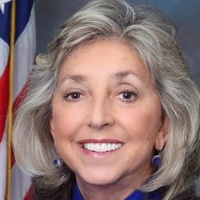
Dina Titus
Representative
NV-1
This bill amends the House of Representatives' rules to prohibit Members, officers, and employees from participating in certain prediction markets involving excluded commodities. The legislation aims to prevent conflicts of interest by banning trades tied to the outcome of specific events. It also expresses the sense of the House that the executive and judicial branches should adopt similar restrictions.
House Members Face New Ban on Prediction Market Trading to Boost Ethics
Alright, let's talk about something that might seem a bit niche but actually touches on a pretty core idea: trust in government. There's a new resolution aiming to tighten up the rules for folks working in the House of Representatives, specifically around something called 'prediction markets.'
What's the Deal with Prediction Markets?
So, what exactly are we talking about here? This resolution, fittingly titled 'Amending the Rules of the House of Representatives to prohibit Members, officers, and employees of the House of Representatives from participating in prediction markets in certain cases, and for other purposes,' basically says: if you work in the House—whether you're a Member, an officer, or an employee—you can't play in these specific financial markets. These 'prediction markets' are places where people bet on whether a future event will happen, won't happen, or to what extent it will happen. Think of it like a stock market, but instead of company shares, you're trading contracts tied to, say, the outcome of a political event or a policy decision. The bill specifically calls out 'excluded commodities' as defined by the Commodity Exchange Act, which are often the underlying assets in these types of markets.
Why the Ban?
The core idea here is pretty straightforward: prevent conflicts of interest and keep things above board. Imagine someone working on a bill that could significantly impact an industry. If that person could also bet on the outcome of that bill through a prediction market, well, that just smells fishy, right? This new rule, outlined in Section 1, is designed to shut down that potential avenue for what could look like insider trading or using privileged information for personal gain. It's about maintaining public trust, making sure that when decisions are made in Congress, they're made for the public good, not for a quick buck on a prediction market.
Where Do We Draw the Line?
Now, not every kind of bet is getting the axe. The resolution is pretty clear on its exceptions. If you've got a standard insurance policy—say, car insurance or life insurance—where you have a legitimate financial interest in what's being insured, that's totally fine. And for all you sports fans out there, lawful sports wagers are also explicitly allowed. So, betting on your favorite team to win the Super Bowl? Still good to go. The distinction here is important: it's about separating legitimate financial planning or casual entertainment from speculative trading that could be influenced by legislative actions.
Setting a Precedent for Others?
Beyond just the House, Section 2 of this resolution takes things a step further. It's a 'Sense of the House of Representatives,' which basically means the House is stating its official opinion. In this case, the opinion is that the executive and judicial branches of government should also get on board and create similar rules for their own members. It's a call for consistency across the board, suggesting that if it's a good ethical standard for the legislative branch, it should be for everyone else in government too. This could lead to a broader push for ethical guidelines across all federal government sectors, impacting a lot more people down the line.
Ultimately, this resolution is about shoring up confidence in how our government operates. By drawing a clear line on prediction markets, it aims to make sure that the focus remains on public service, not personal profit, especially when it comes to information that isn't available to the general public.